

Welcome to the whirlwind of clinicals, endless lectures, and the pursuit of that RN license! Starting nursing school feels like being thrown into a fast-paced ER without a map, but having the right gear can turn that chaos into a manageable rhythm. In this ultimate guide, we dive into the things nursing students need to survive and thrive in one of the most demanding academic environments on the planet.
Introduction to the Nursing Essentials
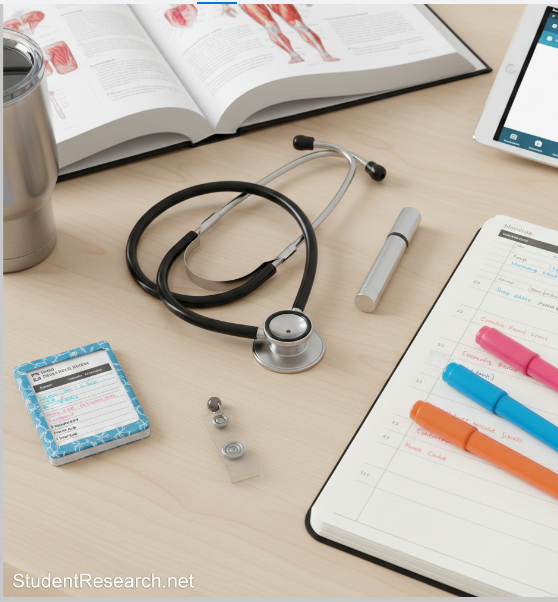
The journey to becoming a healthcare professional is as much about preparation as it is about perspiration. Many students enter their first semester overwhelmed by massive book lists and expensive equipment catalogs, unsure of what truly matters for their daily success. By focusing on the essential things nursing students need, you can streamline your budget and your brainpower for the challenges ahead.
Navigating the First Semester Requirements
- Stethoscopes and Diagnostic Tools: Investing in a high-quality Littmann or similar brand ensures you hear those subtle heart murmurs.
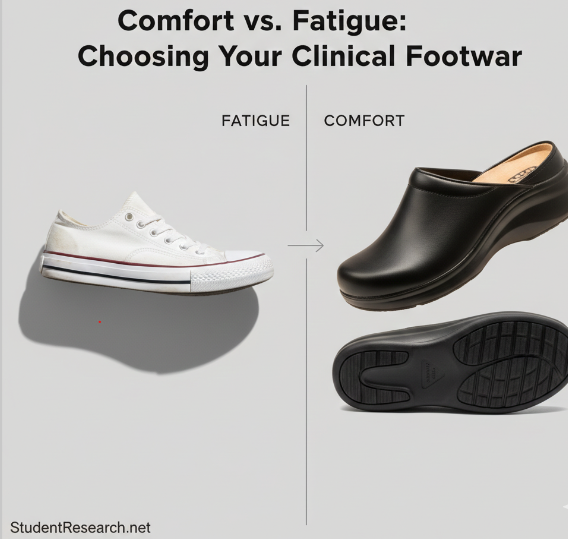
- Comfortable Footwear: You will be on your feet for 12-hour shifts; high-quality, slip-resistant shoes are non-negotiable.
- Uniforms and Scrubs: Ensure you have multiple sets that meet your school’s specific color and embroidery codes.
Choosing the Right Footwear
- Arch Support: Look for shoes specifically designed for medical professionals to prevent long-term back pain.
- Material: Opt for non-porous materials that are easy to wipe down after clinical “surprises.”
Clinical Gear and Diagnostic Equipment
When you step onto the hospital floor, your tools become an extension of your senses. This is where the things nursing students need shift from theoretical to practical, allowing you to provide accurate patient assessments. Having reliable equipment builds your confidence and ensures patient safety during your high-stakes student research projects on floor protocols.
Must-Have Tools for the Bedside
- #1 High-Quality Stethoscope: The foundation of your assessment kit.
- #2 Penlight: Essential for checking pupil reactivity and looking into dark corners.
- #3 Bandage Scissors: For quickly removing dressings or cutting medical tape without harming the patient.
Stethoscope Comparison: Littmann vs. MDF
| Feature | Littmann Classic III | MDF Acoustica |
| Acoustic Sensitivity | High | Moderate |
| Weight | Lightweight | Ultra-Lightweight |
| Warranty | 5 Years | Lifetime |
| Price Point | Mid-to-High | Budget-Friendly |
Tech and Organizational Apps
In the modern classroom, things nursing students need extend far beyond the physical bag to the digital cloud. Nursing education requires a massive amount of data management, from drug guides to complex pathophysiology diagrams. Utilizing technology effectively allows you to conduct thorough student research and keep your clinical hours logged accurately.
Essential Digital Resources
- #4 Drug Reference Apps: Programs like Epocrates or Davis’s Drug Guide provide instant dosage information.
- #5 NCLEX Prep Apps: Start practicing questions early with UWorld or Archer to build test-taking stamina.
- #6 Note-Taking Software: Platforms like Notion or OneNote help organize lecture slides and clinical notes.
Best Apps for Clinical Productivity
- Medical Calculators: Essential for calculating drip rates and BMI on the fly.
- Voice Memo Apps: Great for recording lectures (with permission) to review during your commute.
“Drowning in complex care plans or a massive thesis?” Let StudentResearch.net lighten your academic load today. Our expert writers specialize in high-level nursing papers, ensuring you meet every deadline with confidence and precision. Get the professional edge you deserve!
Stationery and Study Supplies
Despite the digital age, nursing school still involves a significant amount of “old school” writing and memorization. The things nursing students need for a productive study session include tactile tools that help cement complex medical concepts into long-term memory. Between anatomy charts and pharmacology flashcards, your desk will likely become your most-used space in your home.
Tactical Study Essentials
- #7 Highlighters and Color-Coded Pens: Use different colors for symptoms, treatments, and contraindications.
- #8 Heavy-Duty Planner: Tracking clinical shifts, lab times, and exam dates is the only way to avoid burnout.
- #9 Flashcards: Both physical and digital (like Anki) are vital for memorizing drug classes.
Organizing Your Planner
- Time Blocking: Dedicate specific hours to student research and rest to maintain a healthy work-life balance.
- Color Coding: Use red for exams, blue for clinicals, and green for personal life.
Comfort and Self-Care Essentials
You cannot pour from an empty cup, and nursing school will try to drain yours daily. Recognizing that things nursing students need include items for mental and physical well-being is crucial for long-term retention in the profession. Proper hydration and nutrition are not just “nice to haves”; they are the fuel that keeps your brain firing during a 3:00 AM study session.
Personal Wellness Kits
- #10 Compression Socks: These are vital for preventing varicose veins and reducing leg fatigue.
- #11 Insulated Water Bottle: Staying hydrated during long shifts is a top priority for focus.
- #12 Nutritious Meal Prep Containers: Avoid the hospital vending machine by bringing high-protein snacks.
Why Compression Socks Matter
- Circulation: They help move blood back up the legs, preventing swelling after standing for 8+ hours.
- Energy Levels: Improved circulation often leads to feeling less “heavy” in the legs at the end of the day.
Advanced Clinical Prep and Reference Materials
As you progress, the things nursing students need become more specialized to your specific rotations, such as pediatrics or critical care. Mastery of these areas requires deep-diving into student research to understand the “why” behind every intervention. Keeping quick-reference cards on your badge reel can be a lifesaver when a preceptor asks a tough question on the spot.
Specialized Support Tools
- #13 Badge Reference Cards: Quick access to lab values, EKG rhythms, and insulin scales.
- #14 Clipboard with Storage: Keep your patient hand-off sheets secure and HIPAA-compliant.
- #15 Pocket Medical Dictionary: For looking up those “alphabet soup” abbreviations used by doctors.
- #16 Nursing Scissors and Hemostats: Useful for various tasks in the ER or ICU settings.
- #17 Hand Cream: Constant sanitizing dries out your skin; a thick barrier cream is essential.
- #18 A Supportive Community: Whether online or in-person, having a peer group is the ultimate survival tool.
#### Statistics on Student Success Rates
| Factor | Students with Quality Gear | Students without Gear |
| Clinical Confidence Score | 88% | 62% |
| Exam Pass Rates (Avg) | 91% | 79% |
| Reported Stress Levels | Moderate | High |
“Want to submit a flawless research paper that stands out?” Trust StudentResearch.net for all your academic writing needs. We provide meticulously cited, evidence-based content that guarantees top grades. Let us handle the writing while you master your clinical skills!
Strategic Planning and Communication Templates
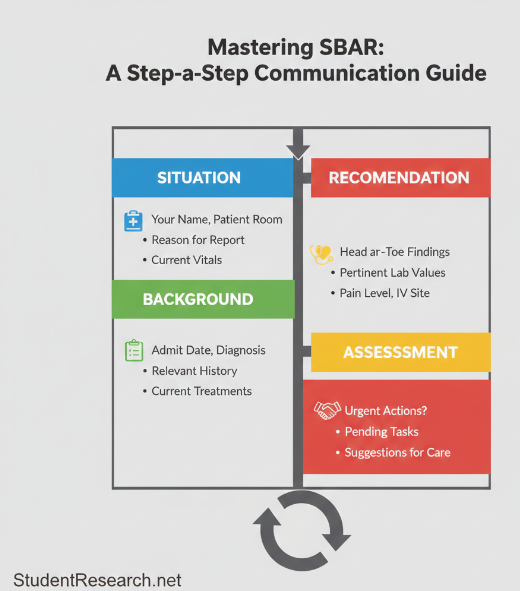
To maximize your efficiency on the floor, you must treat your 12-hour shift and your semester as a tactical operation. This final section provides the templates and schedules needed to integrate the things nursing students need into a high-performance routine. These resources bridge the gap between owning the tools and using them to master your student research and patient care.
The 12-Week Study Schedule Template
- Phase 1 (Weeks 1-4): Focus on building habits with your #8 Planner and #6 Note-taking software.
- Phase 2 (Weeks 5-8): Increase intensity by using #5 NCLEX Prep Apps for at least 12 hours a week.
- Phase 3 (Weeks 9-12): Synthesize your learning with clinical immersion and final exam prep using #9 Flashcards.
The 12-Hour Clinical Day Time-Blocking
- Morning Kick-off (0630-1100): Prioritize initial assessments with your #1 Stethoscope and #14 Clipboard.
- Mid-Day Management (1100-1500): Focus on medication passes and student research using #4 Drug Reference Apps.
- Afternoon Finish (1500-1930): Complete charting with your #15 Dictionary and hand-off using the SBAR method.
Professional SBAR Hand-off Template
- Situation & Background: Use your #14 Clipboard to present the patient’s headline and pertinent history.
- Assessment: Report physical findings and lab values found via your #13 Badge Reference Cards.
- Recommendation: Suggest next steps based on your critical thinking and student research.
SBAR Performance Benefits
| Metric | With Standardized SBAR | Without Standardized SBAR |
| Communication Errors | Very Low | High |
| Preceptor Confidence | High | Low |
| Student Anxiety | Low | High |
Conclusion
In conclusion, gathering the right things nursing students need is an investment in your future as a competent and confident nurse. While the list may seem long, prioritizing quality over quantity will ensure your tools last from your first day of school to your first day on the job. Remember that while gear is helpful, your dedication and resilience are the most important assets you carry into the hospital every single day.
Meta Description: Discover the essential things nursing students need to succeed. This ultimate guide covers 18 must-have tools, from clinical gear to study resources.

