

Finding the right nurse student internship is often the “make or break” moment in a healthcare career, transforming textbook theory into life-saving practice. For many, the transition from a sterile classroom to a bustling Level 1 Trauma center feels like jumping into the deep end without a life vest. This guide serves as your professional compass, navigating the complex landscape of clinical placements to ensure you land a role that aligns with your long-term medical aspirations.
Understanding the Value of a Nurse Student Internship
An internship provides the foundational bridge between academic learning and the high-stakes environment of modern healthcare facilities. These programs allow students to shadow seasoned professionals, gaining insights that are rarely captured in a standard nursing curriculum. By prioritizing these opportunities, you position yourself as a top-tier candidate for residency positions post-graduation.
Professional Skill Development
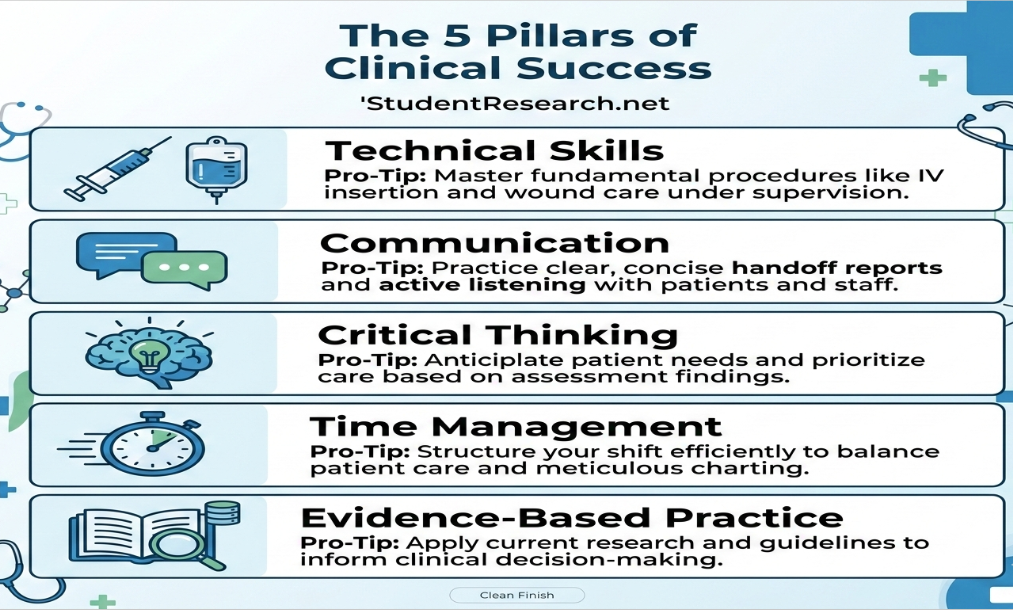
- Clinical Competency: Master technical tasks like IV insertion and wound care under direct supervision.
- Critical Thinking: Learn to prioritize patient needs during rapid response situations or “coding” events.
- Time Management: Balance a heavy patient load while maintaining meticulous charting standards.
Networking and Mentorship
- Unit Familiarity: Build rapport with Nurse Managers who often make the final hiring decisions for new grads.
- Peer Support: Connect with other interns to share experiences and navigate the stress of clinical rotations.
- Career Guidance: Access mentors who can provide advice on specialized certifications and advanced degrees.
Top 10 Elite Programs for Your Ultimate Guide to Choosing the Right Path
Selecting the perfect nurse student internship requires a deep dive into the specific specialties and geographic locations offered by top-tier hospitals. The following ten programs are recognized globally for their rigorous training, competitive stipends, and high retention rates for new graduates. Each entry below represents a gold standard in clinical education for aspiring healthcare providers.
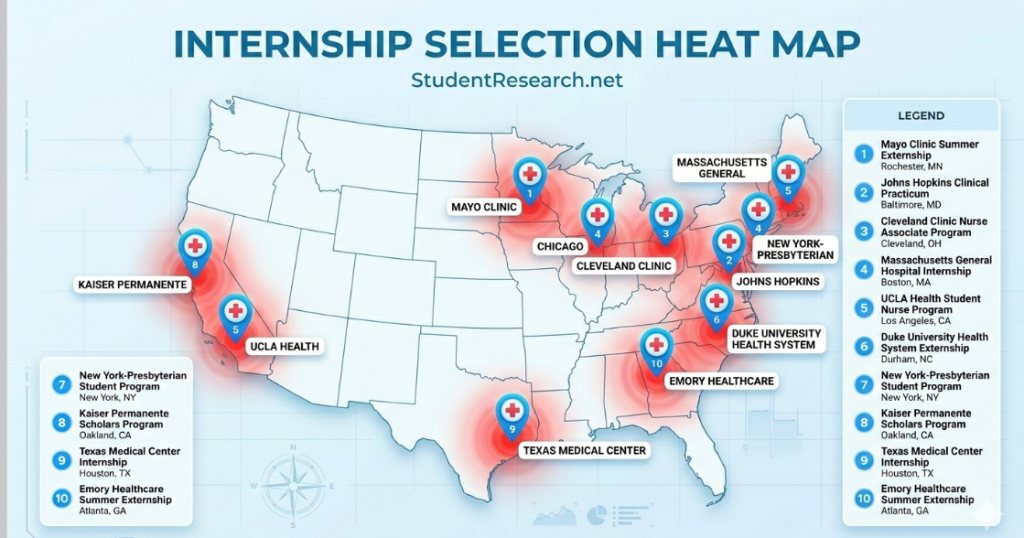
#1 Mayo Clinic Summer Externship
- Specialty Access: Rotations available in oncology, cardiology, and surgical services.
- Educational Focus: Heavy emphasis on evidence-based practice and student research initiatives.
- Duration: Typically a 10-week immersive summer experience in Rochester or Scottsdale.
#2 Johns Hopkins Clinical Practicum
- Research Integration: Interns often assist in ongoing student research projects related to patient safety.
- Advanced Simulation: Access to world-class simulation labs for high-fidelity training scenarios.
- Career Pipeline: Direct pathway into the Johns Hopkins Nurse Residency Program.
#3 Cleveland Clinic Nurse Associate Program
- Flexible Scheduling: Offers part-time and full-time tracks to accommodate various school schedules.
- Mentorship Model: One-on-one pairing with a Registered Nurse preceptor for the duration of the program.
#4 Massachusetts General Hospital (MGH) Internship
- Focus Areas: Specialized tracks in pediatrics, mental health, and acute care.
- Clinical Excellence: Training within one of the oldest and most prestigious teaching hospitals in the US.
#5 UCLA Health Student Nurse Program
- Diversity of Care: Exposure to a diverse patient demographic in a major metropolitan hub.
- Innovation: Focus on cutting-edge medical technology and digital health records.
#6 Duke University Health System Externship
- Academic Synergy: Strong ties to university-led student research regarding health equity.
- Benefit Package: Often includes competitive pay and housing assistance for out-of-state students.
#7 New York-Presbyterian Student Program
- Urban Nursing: Experience the fast-paced environment of one of the busiest hospital systems in the country.
- Unit Options: Includes specialized rotations in Burn Units and Neonatal Intensive Care (NICU).
#8 Kaiser Permanente Scholars Program
- Integrated Care: Learn the “Kaiser Model” of preventative care and integrated health services.
- Community Health: Opportunities to work in outpatient clinics and community outreach centers.
#9 Texas Medical Center (TMC) Internship
- Global Scale: Train in the world’s largest medical city with access to multiple specialized institutions.
- Trauma Focus: Home to some of the most active trauma centers in the Southern United States.
#10 Emory Healthcare Summer Externship
- Public Health Tie-ins: Proximity to the CDC allows for unique perspectives on infectious disease nursing.
- Holistic Care: Training modules focused on patient-centered communication and family advocacy.
Drowning in clinical hours and care plans? Let the experts at StudentResearch.net handle your heavy lifting. We provide premium academic support, ensuring your nursing essays are polished and professional while you focus on saving lives. Regain your precious time today!
Comparing Top-Tier Opportunities
When evaluating a nursing student clinical placement, it is vital to look at the hard data regarding pay, duration, and placement success. Some programs focus on academic rigor, while others emphasize hands-on technical skills in emergency settings. This comparison ensures you choose a program that fits both your financial needs and your professional goals.
Program Performance Metrics
| Program Name | Average Hourly Pay | Program Length | Post-Internship Hire Rate |
| Mayo Clinic | $22.00 – $26.00 | 10 Weeks | 88% |
| Johns Hopkins | $20.00 – $24.00 | 8 Weeks | 92% |
| Cleveland Clinic | $19.00 – $23.00 | 12 Weeks | 85% |
| UCLA Health | $25.00 – $29.00 | 10 Weeks | 90% |
Academic vs. Clinical Focus
| Feature | Academic-Led Internships | Clinical-Focused Externships |
| Primary Goal | Integration of student research and theory | Mastering technical skills and bedside manner |
| Environment | Teaching hospitals and universities | Private hospital systems and community clinics |
| Final Project | Often requires a formal presentation or paper | Requires a competency checklist completion |
How to Apply for a Nurse Student Internship
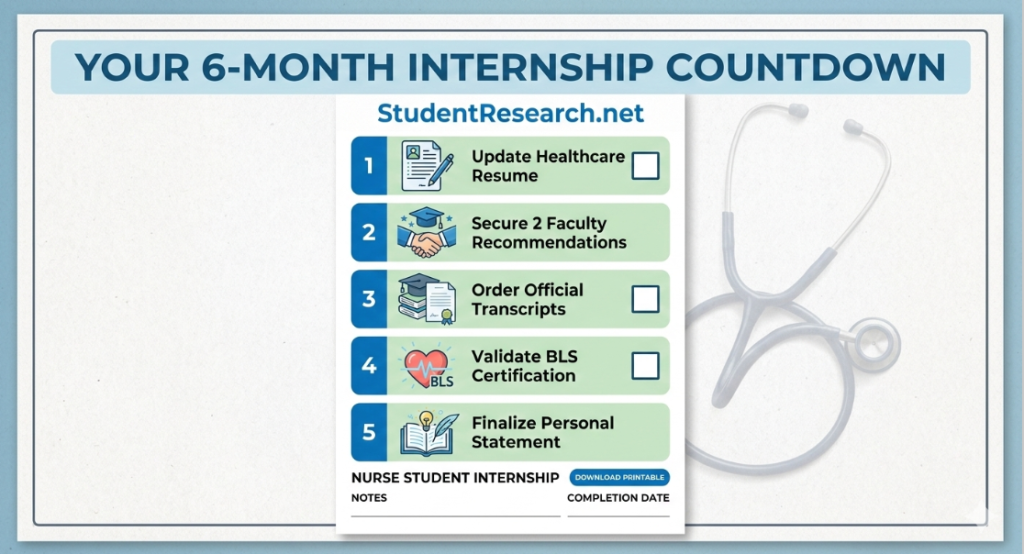
The application process for a prestigious undergraduate nursing internship is highly competitive and requires meticulous preparation. Most programs open their applications six to nine months before the start date, requiring transcripts, letters of recommendation, and a compelling personal statement. Understanding the timeline and requirements is the first step toward securing your spot in an elite cohort.
Application Requirements
- Academic Standing: Most programs require a minimum GPA of 3.0 or 3.5 on a 4.0 scale.
- BLS Certification: Valid Basic Life Support (BLS) for Healthcare Providers is almost always mandatory.
- Clinical References: Letters from clinical instructors who can vouch for your bedside performance.
Crafting Your Resume
- Volunteer Experience: Highlight any work in free clinics, blood drives, or health fairs.
- Specialized Certifications: List any extra training like ACLS, PALS, or CNA experience.
- Relevant Coursework: Mention advanced classes like Pathophysiology or Pharmacology.
Maximizing the Internship Experience
Once you land a nursing practicum for students, the real work begins as you strive to make a lasting impression on your unit. Success in these roles isn’t just about clinical accuracy; it’s about your ability to integrate into the healthcare team. Being proactive and inquisitive will differentiate you from other students who are simply checking a box for credit.
Being a Proactive Learner
- Ask Insightful Questions: Inquire about the “why” behind specific physician orders or nursing interventions.
- Volunteer for Procedures: If a unique procedure is happening on the unit, ask if you can observe or assist.
- Study Patient Cases: Review the charts of complex patients to understand the progression of their care.
H3: Professionalism on the Unit
- Punctuality: Arrive 15 minutes early to every shift to review the patient board and prep for handoff.
- Effective Communication: Use SBAR (Situation, Background, Assessment, Recommendation) when talking to providers.
- Self-Care: Manage the physical and emotional toll of nursing to avoid burnout before your career even starts.
Addressing Common Challenges and Misconceptions
Entering a nurse student internship can be intimidating, leading many students to feel “Imposter Syndrome” during their first few weeks. It is important to remember that you are there to learn, and no one expects you to be an expert on day one. Addressing these hurdles early allows you to focus on growth rather than fear.
Managing Stress and Anxiety
- Debriefing: Talk through difficult shifts with your preceptor or fellow interns to process emotional events.
- Goal Setting: Set small, achievable goals for each shift, such as mastering a specific charting software.
Dealing with High-Pressure Situations
- Stay Calm: Take a deep breath before entering a room during an emergency to keep your thoughts clear.
- Follow the Leader: In a crisis, focus on being a “helpful hand” by grabbing supplies or recording times.
- Post-Event Analysis: After a code, ask for a brief breakdown of what went well and what could be improved.
Final Thoughts on Launching Your Career
Embarking on a nurse student internship is the most significant investment you can make in your future as a healthcare professional. By choosing a program that offers strong mentorship and exposure to student research, you ensure your skills remain on the cutting edge of medicine. Use this guide to narrow your choices, polish your application, and step confidently into your role.
Meta Description: Secure your future with a nurse student internship. Our guide reviews 10 elite programs to help you gain clinical skills and career confidence.

