

What if the only thing standing between you and your nursing career was knowing where to look for funding? Every year, thousands of nursing students miss out on life-changing financial aid simply because they don’t know it exists. The foundation of the National Student Nurses Association scholarship program is one of the most impactful — and underutilized — funding sources available to nursing students across the United States.
Established to champion the next generation of healthcare professionals, this scholarship foundation has quietly powered the dreams of thousands of student nurses. Whether you are a first-year pre-nursing student or a seasoned nursing candidate pursuing advanced clinical training, understanding how this foundation works, what it offers, and how to compete for its awards could redefine your educational journey. In this comprehensive guide, we break down everything — eligibility, application strategy, award types, and insider tips — so you can approach this opportunity with confidence and clarity. From student research initiatives to financial planning, no stone is left unturned.
Overview of the FNSNA: What Is It and Why Does It Matter?
The Foundation of the National Student Nurses Association (FNSNA) serves as the philanthropic backbone of one of nursing education’s most respected student organizations. Founded to directly support aspiring nurses through merit-based and need-based scholarships, the FNSNA has distributed millions of dollars in funding since its inception. Understanding the foundation’s mission is the first step toward leveraging its resources effectively.
History and Mission of the FNSNA
- Founded as the charitable arm of the National Student Nurses Association (NSNA), established in the 1960s.
- Mission: To provide financial assistance to nursing students who demonstrate academic merit, financial need, and commitment to the profession.
- Impact: Over $6 million awarded to more than 6,500 students over its lifetime.
- Scope: Serves both full-time and part-time students enrolled in accredited nursing programs.
Why the FNSNA Stands Apart From Other Nursing Scholarships
- Exclusively focused on pre-nursing and nursing students — not broader healthcare.
- Awards both need-based and merit-based funding simultaneously.
- Encourages student research engagement as part of the broader applicant profile.
- Affiliated with a national professional body, giving recipients added networking value.
Types of Scholarships Offered by the FNSNA
Not all FNSNA scholarships are created equal, and knowing which category aligns with your profile is a critical first step. The foundation offers a diverse portfolio of awards designed to match varying student circumstances, academic backgrounds, and professional goals. Selecting the right scholarship type improves your application focus and competitive positioning.
General Scholarships vs. Specialty Scholarships
- General Scholarships: Open to all eligible nursing students regardless of specialty.
- Specialty Scholarships: Target students in areas such as:
- Pediatric nursing
- Oncology nursing
- Psychiatric/mental health nursing
- Community health nursing
- Promise of Nursing Scholarships: Funded by regional sponsors for students in specific states.
Breakthrough to Nursing Scholarships
- Specifically designed for minority nursing students to promote diversity in healthcare.
- Covers students from underrepresented racial and ethnic backgrounds.
- Encourages recipients to serve in underserved communities post-graduation.
- Aligned with national diversity, equity, and inclusion goals in nursing workforce planning.
Eligibility Requirements You Must Meet
Eligibility is where many applicants stumble, either applying without meeting the criteria or mistakenly disqualifying themselves prematurely. The FNSNA has clear, structured requirements that govern who may apply. Meeting these benchmarks is non-negotiable, but they are also more attainable than many students assume.
Academic and Enrollment Criteria
- Must be currently enrolled in an accredited nursing program (LPN, ADN, BSN, or second-degree programs).
- Must be a current NSNA member or enrolled in a state that has an NSNA-affiliated chapter.
- Minimum GPA requirements vary by scholarship but generally hover around 3.0 on a 4.0 scale.
- Must have completed at least one nursing or pre-nursing course at time of application.
Financial and Character-Based Requirements
- Demonstrated financial need (for need-based awards) via FAFSA or equivalent documentation.
- Evidence of community service, volunteer work, or student research participation.
- Two to three letters of professional or academic recommendation.
- Personal essay demonstrating commitment to nursing and professional growth.
Application Process: Step-by-Step Guide
Applying for the foundation of the National Student Nurses Association scholarship requires strategic preparation well before the deadline. The process is competitive, detailed, and rewards those who invest time into crafting a compelling, complete application. Breaking it into manageable steps reduces overwhelm and increases your odds of success.
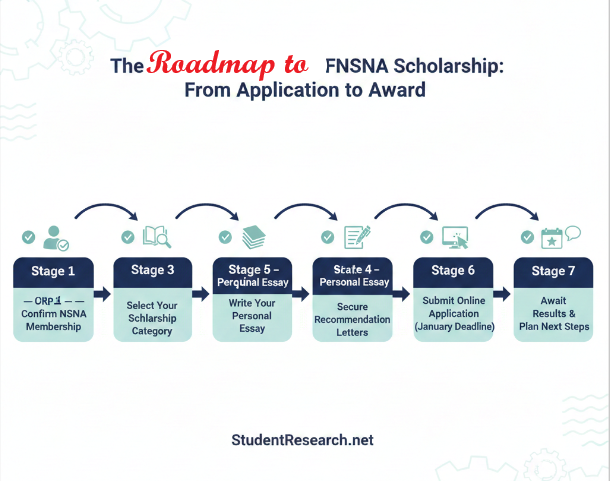
Step-by-Step Application Breakdown
- Step 1: Confirm NSNA membership status and verify program accreditation.
- Step 2: Review all available scholarship categories on the FNSNA official website.
- Step 3: Gather required documents — transcripts, financial statements, and ID.
- Step 4: Draft and refine your personal essay (typically 200–500 words).
- Step 5: Secure recommendation letters from faculty or clinical supervisors.
- Step 6: Submit the online application form before the January deadline.
- Step 7: Confirm receipt and track your application status through the FNSNA portal.
Common Application Mistakes to Avoid
- Submitting incomplete documentation — every field and attachment matters.
- Writing a generic personal essay that fails to reflect individual nursing motivation.
- Missing the annual deadline (typically in mid-to-late January each year).
- Overlooking specialty scholarships that may have less competition than general awards.
Award Amounts and Financial Impact
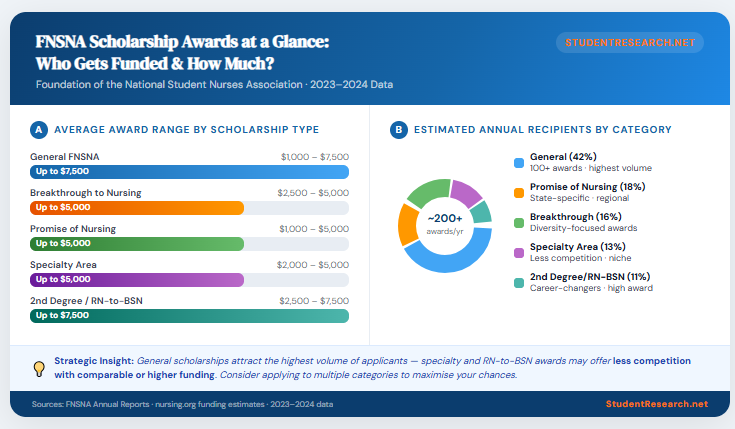
Understanding the financial scope of FNSNA scholarships helps students plan their education budgets realistically. While no scholarship covers 100% of nursing school costs alone, FNSNA awards meaningfully reduce financial burden. Combined with other aid sources, they can be transformative.
Scholarship Award Statistics Table
| Scholarship Type | Average Award Amount | Number of Awards (Annual Avg.) | Eligibility Focus |
|---|---|---|---|
| General FNSNA Scholarship | $1,000 – $7,500 | 100+ | All nursing students |
| Breakthrough to Nursing | $2,500 – $5,000 | 30–50 | Underrepresented minorities |
| Promise of Nursing (Regional) | $1,000 – $5,000 | Varies by state | State-specific applicants |
| Specialty Area Scholarships | $2,000 – $5,000 | 20–40 | Specialty nursing tracks |
| Second Degree/RN-to-BSN | $2,500 – $7,500 | 20–30 | Career-change students |
Sources: FNSNA Annual Reports; nursing.org funding data estimates (2023–2024)
Writing a Winning Personal Essay
The personal essay is arguably the most powerful component of the FNSNA application and deserves dedicated attention. Scholarship committees read hundreds of submissions, and a well-crafted narrative can be the deciding factor between two equally qualified candidates. Your essay is your opportunity to humanize your application and demonstrate authentic commitment to nursing.
Key Elements of a Compelling Nursing Scholarship Essay
- Open with a personal story or clinical moment that ignited your nursing passion.
- Clearly articulate your career goals and how this scholarship bridges a specific gap.
- Reference meaningful experiences such as student research, clinical placements, or community work.
- Avoid clichés like “I’ve always wanted to help people” — be specific and evidence-driven.
- Close with a forward-looking statement about your contribution to the nursing profession.
“Struggling to write your nursing scholarship essay? Let the experts at StudentResearch.net craft a compelling, plagiarism-free personal statement that gets noticed. Professional academic writing, tailored to your unique nursing story. Apply with confidence!”
Essay Dos and Don’ts
Do’s
- Use specific examples from clinical or academic experience.
- Reference your involvement in NSNA or nursing organizations.
- Keep language professional yet warm — avoid overly academic or robotic tone.
- Have at least two people proofread before submission.
Don’ts
- Don’t exceed the word limit — committees penalize this.
- Don’t copy templates found online — originality is detectable and valued.
- Don’t ignore the prompt — answer exactly what is asked.
- Don’t submit without spell-check and grammar review.
Letters of Recommendation: Who to Ask and What to Request
Letters of recommendation carry significant weight in the FNSNA scholarship review process and should be treated as collaborative documents, not afterthoughts. Choosing the right recommenders and briefing them effectively will result in letters that genuinely elevate your application. A lukewarm letter from a well-known professor is worth far less than an enthusiastic, specific letter from someone who knows your work intimately.
Ideal Recommender Profiles
- Clinical Instructors who have directly supervised your patient care.
- Academic Faculty familiar with your classroom performance and nursing aptitude.
- Research Supervisors if you have participated in any form of student research project.
- Community Service Coordinators who can speak to your character and volunteer ethics.
How to Brief Your Recommenders Effectively
- Provide recommenders with your personal essay draft for contextual alignment.
- Share a bullet point summary of your key achievements and goals.
- Give ample notice — minimum 3–4 weeks before the submission deadline.
- Send a polite reminder one week before the letter is due.
- Follow up with a thank-you note regardless of application outcome.
Comparing FNSNA Scholarships to Other Nursing Scholarships
In a crowded landscape of nursing scholarships, it helps to understand where the FNSNA stands relative to other major funding sources. Making an informed comparison allows students to prioritize applications strategically and maximize their total aid package. The table below offers a side-by-side comparison of leading nursing scholarships.
FNSNA vs. Other Leading Nursing Scholarship Programs
| Criteria | FNSNA | HRSA Nursing Scholarship | ANA Foundation | Johnson & Johnson Nursing |
|---|---|---|---|---|
| Open to Pre-Nursing Students | ✅ Yes | ❌ No | ✅ Yes | ✅ Yes |
| Membership Required | ✅ NSNA | ❌ No | ✅ ANA | ❌ No |
| Annual Award Max | $7,500 | Full tuition | $5,000 | $5,000 |
| Need-Based Option | ✅ Yes | ✅ Yes | ✅ Yes | ❌ Merit only |
| Diversity Focus Award | ✅ Yes | ✅ Yes | ✅ Yes | ✅ Yes |
| Application Period | Jan | Varies | Varies | Varies |
| Supports Student Research | Indirectly | ✅ Yes | ✅ Yes | ✅ Yes |
Sources: FNSNA.org, HRSA.gov, ANAFoundation.org, nursing.jnj.com (2024 data)
Tips to Strengthen Your FNSNA Application
Beyond completing the basic requirements, top applicants distinguish themselves through deliberate strategy and professional polish. Understanding what scholarship committees prioritize — and tailoring your application accordingly — dramatically increases your chances of success. Here are proven, actionable tactics drawn from scholarship advising best practices.
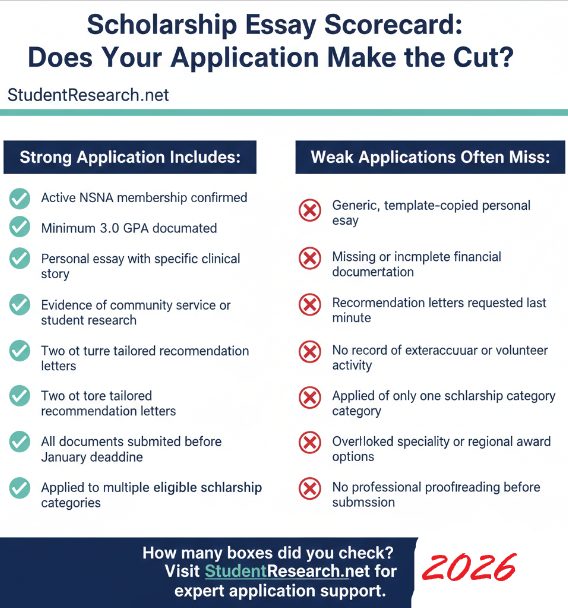
#9 Proven Strategies for a Competitive Application
- #10 Start early: Begin gathering materials at least 60 days before the deadline.
- #11 Join NSNA actively: Volunteer for committees, attend events, or hold chapter office — this demonstrates genuine engagement.
- #12 Document everything: Keep a running record of clinical hours, student research involvement, volunteer activities, and academic honors.
- #13 Apply for multiple categories: If eligible for both a general and specialty scholarship, apply for both.
- #14 Use campus resources: Many universities have scholarship advisors who offer free application reviews.
- #15 Polish your digital footprint: Scholarship reviewers may Google applicants — ensure your professional presence is consistent.
Building a Scholarship Portfolio Beyond FNSNA
- Combine FNSNA with state nursing association scholarships for layered funding.
- Apply to hospital-sponsored scholarships that require post-graduation employment commitments.
- Explore employer tuition reimbursement if working part-time during nursing school.
- Engage with community foundations in your local area that fund healthcare education.
Conclusion: Your Path Forward With the FNSNA Scholarship
The journey through nursing school is demanding, costly, and deeply rewarding — and no student should face it alone for want of funding. The foundation of the National Student Nurses Association scholarship represents far more than a financial award; it is an investment in your professional identity, your community, and the future of healthcare in America. Whether you are applying for the first time or refining a previous attempt, every insight in this guide equips you to compete with purpose and precision.
From understanding eligibility and award types, to crafting a compelling personal essay and securing powerful recommendation letters, the path to winning this scholarship is clear and achievable. Leveraging tools like student research participation, active NSNA membership, and a polished application portfolio will set you apart in a competitive field. Numbers #16 through #23 — the final lessons — are the ones you write yourself, through action, persistence, and commitment to the profession.
Discover the foundation of the National Student Nurses Association scholarship — your complete guide to eligibility, awards, and funding nursing education.
Take the next step: visit FNSNA.org, confirm your NSNA membership, and begin building your application today. Your nursing future is worth every effort.
Overwhelmed by nursing coursework and research deadlines? StudentResearch.net delivers expert academic writing support — from research papers to clinical case studies — so you can focus on becoming the nurse you were born to be!”

