

Invest in Your Future: Why the UVM Research Expo is Essential
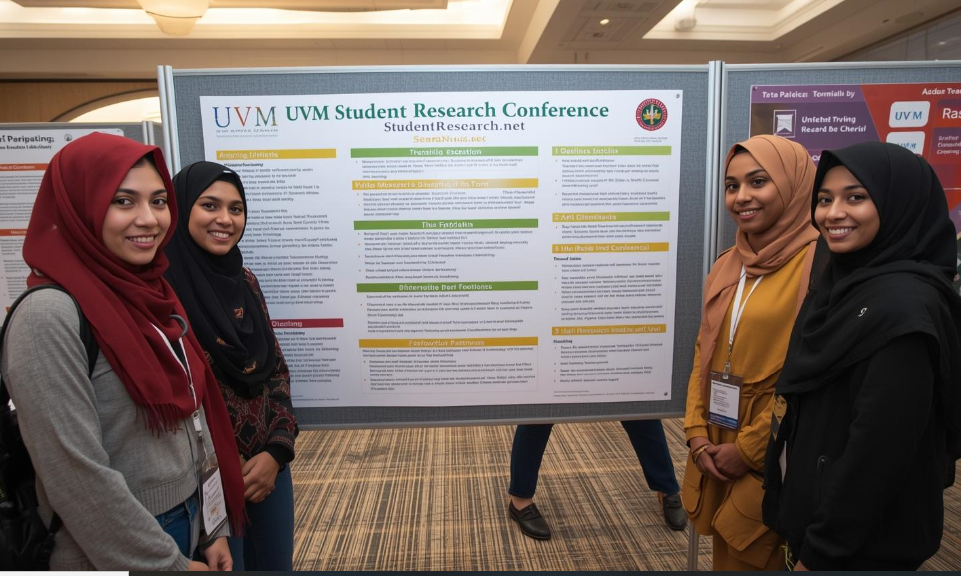
Imagine standing out among thousands of college applicants with concrete evidence of your academic passion and research capabilities. The UVM Student Research Conference offers high school students a transformative opportunity to showcase their intellectual curiosity on a university platform. By participating in the UVM Research Expo, you’re not just adding another line to your resume—you’re building a compelling narrative that demonstrates your readiness for college-level work. This conference serves as a launching pad for academic success, connecting ambitious students with faculty mentors, developing essential presentation skills, and creating tangible proof of your commitment to scholarly excellence.
Maximize College Applications: High School Student’s Edge
Participating in the UVM Student Research Conference gives you a competitive advantage that most high school applicants simply don’t have. While your peers list generic extracurriculars, you’ll present concrete evidence of independent research and academic initiative that catches admissions officers’ attention.
How the UVM Research Expo Strengthens Your College Applications:
- Demonstrates Academic Rigor Beyond the Classroom – Presenting research at a university-level conference signals to admissions committees that you’re already engaging with college-level work. This experience shows you’ve gone beyond standard high school coursework to pursue knowledge independently, a quality that selective universities actively seek in applicants.
- Showcases Initiative and Self-Direction – College application research becomes exponentially more impressive when you can point to a formal presentation at the University of Vermont Research Day. Admissions officers recognize that participating in undergraduate research as a high school student requires extraordinary motivation, time management, and intellectual curiosity.
- Provides Concrete Evidence of Your Passion – Rather than simply claiming interest in biology, engineering, or social sciences, presenting at the UVM Student Research Conference gives you specific talking points for college essays and interviews. You’ll articulate your research question, methodology, and findings with the confidence of someone who has defended their work before faculty judges.
- Creates Memorable Application Content – When admissions readers review hundreds of applications daily, those featuring genuine research experiences stand out immediately. Your UVM research submission becomes the centerpiece of your academic narrative, transforming abstract claims about being “passionate about science” into verifiable achievements.
- Builds Professional Documentation – The abstract writing for a high school student that’s required for conference submission becomes a writing sample you can reference in supplemental essays. This polished academic writing demonstrates your ability to communicate complex ideas effectively, a skill essential for college success.
- Generates Strong Recommendation Letter Content – Faculty members who mentor you through the UVM undergraduate research process can write detailed, specific letters that go far beyond generic teacher recommendations. These letters carry weight because they come from university-level researchers who can attest to your capabilities in an advanced academic setting.
Struggling with essays, research papers, or lab reports? StudentResearch.net offers comprehensive academic writing services tailored for high school students. From term papers to dissertations, our platform delivers quality assignments across all subjects, helping you succeed academically.
Connect with Faculty: Secure Mentorship for Research
Building relationships with university faculty opens doors that high school classrooms simply cannot provide. The UVM Student Research Conference creates natural opportunities to connect with professors who could become mentors, collaborators, or recommenders for your future academic pursuits.
Strategic Networking with UVM Faculty at the Research Conference:
- Approach Presenters with Genuine Curiosity – When attending the University of Vermont Research Day, identify presentations in your field of interest and prepare thoughtful questions. Faculty judges and presenters appreciate high school students who demonstrate intellectual engagement. Ask about their current research, methodology choices, or how they developed their research questions to spark meaningful conversations.
- Make a Lasting Impression Through Active Participation – Networking with UVM faculty requires more than passive attendance. Take notes during presentations, reference specific details when introducing yourself, and follow up with the questions that show you’ve critically engaged with their work. This level of preparation distinguishes you from casual attendees and positions you as a serious young researcher.
- Leverage the Conference for Mentorship Opportunities – The UVM Research Expo provides a low-pressure environment to express interest in future research collaboration. After discussing a faculty member’s work, you can inquire about opportunities for high school research opportunities UVM might offer, summer programs, or guidance on developing your own project. Many professors welcome motivated students and may offer to review your work or suggest resources.
- Develop Professional Communication Skills – Learning to approach academic professionals confidently is itself a valuable skill. Practice your introduction, prepare business cards if possible, and follow up via email within 48 hours. Reference your conversation specifics and express genuine interest in their research area to maintain the connection beyond the conference day.
- Build Your Academic Network Systematically – Don’t limit yourself to one conversation. Attending the UVM Student Research Conference allows you to meet multiple faculty members across disciplines. These connections become invaluable when you need recommendation letters, summer research placements, or guidance on college major selection.
Develop Key Skills: Part of UVM Student Research Conference Growth
Beyond impressive resume additions, participating in the UVM Research Expo fundamentally develops competencies that will serve you throughout college and career. These transferable skills represent the hidden value of conference participation.
Essential Competencies Gained Through the UVM Student Research Conference:
- Master Critical Thinking and Analysis – Conducting research worthy of the University of Vermont Research Day requires you to evaluate sources, identify gaps in existing knowledge, and construct logical arguments. These analytical skills transfer directly to college coursework, where professors expect sophisticated reasoning and evidence-based conclusions rather than memorization.
- Build Confident Public Speaking Abilities – High school student conference presentation tips often focus on content, but the real growth comes from defending your work before judges and attendees. Whether you’re presenting a poster or delivering an oral presentation, you’ll develop the composure needed for college seminars, job interviews, and professional presentations throughout your career.
- Refine Written Communication for Academic Audiences – The abstract writing process teaches you to distill complex ideas into clear, concise language that meets academic standards. This skill directly impacts your college application essays, research papers, and eventually professional reports. Learning to write for scholarly audiences sets you apart from peers who only write for classroom teachers.
- Enhance Time Management and Project Planning – Successfully navigating the UVM research submission deadline requires backward planning, milestone setting, and consistent progress over months. These organizational skills become essential in college, where multiple courses demand simultaneous attention and long-term projects determine your grades.
- Cultivate Professional Presence and Etiquette – Participating in a university research conference exposes you to professional academic culture. You’ll learn appropriate presentation attire, how to engage in scholarly discourse, and the unwritten rules of academic conferences—knowledge that provides confidence when you enter college research environments.
Getting Started: Eligibility for the UVM Student Research Conference
Now that you understand the transformative value of participating in the UVM Research Expo, the next step involves determining your readiness and navigating the practical requirements. This section addresses the essential questions every prospective high school participant must answer: Am I eligible? What’s the timeline? How do I position myself for success? Understanding UVM research conference eligibility criteria and planning requirements ensures you approach this opportunity strategically rather than reactively.
Find Eligibility: Is This High School Student Research a Fit?
Before investing time in developing your research project, you need to understand whether you meet the participation criteria. The UVM Student Research Conference has specific guidelines that determine who can present and under what circumstances.
Key Eligibility Considerations for High School Students:
- Research Project Requirements and Standards – Your work must demonstrate college-level inquiry, regardless of whether it originated as a science fair project or independent study. The research should pose a genuine question, employ appropriate methodology, and generate analyzable results. Projects that simply summarize existing information without original analysis typically don’t meet conference standards.
- Mentorship and Faculty Sponsorship Guidelines – Most high school participants benefit from connecting with a UVM faculty member or graduate student who can sponsor their presentation. While requirements may vary by year, having a university mentor strengthens your application significantly. If you haven’t established this connection yet, reach out to professors in your research area several months before the UVM research submission deadline.
- Official Eligibility Information Sources – Rather than relying on secondhand information, visit the official University of Vermont Research Day website for current year guidelines. Eligibility criteria can change annually, and the official page provides definitive answers about age restrictions, project types, and documentation requirements. Bookmark this resource and check it regularly as submission deadlines approach.
- Alternative Participation Pathways – If you don’t yet have research ready to present, consider attending the UVM Research Expo as an observer. This experience helps you understand presentation expectations, identify potential mentors, and gather ideas for future participation. Many successful presenters first attended as audience members to learn the conference culture.
Check the Timeline: Part of UVM Student Research Conference Planning
Strategic planning around key dates separates successful conference participants from those who miss opportunities due to poor timing. The UVM Student Research Conference operates on a strict schedule that requires months of advance preparation.
Critical Dates and Planning Milestones:
- Abstract Submission Deadline – This represents your first formal hurdle, typically falling several months before the conference date. Your abstract must be polished, complete, and uploaded by the specified deadline—no exceptions. Begin drafting this document at least six weeks early to allow time for mentor feedback and multiple revisions. Missing this deadline eliminates your opportunity to present that year.
- Project Development Timeline – Working backward from the abstract deadline, allow at least three to four months for conducting research, collecting data, and analyzing results. High school student research often progresses more slowly than anticipated due to equipment access, scheduling constraints, or unexpected methodological challenges. Build buffer time into your project plan.
- Notification and Acceptance Timeline – After submitting your abstract, expect to wait several weeks for the selection committee’s decision. The University of Vermont Research Day organizers review numerous applications and must evaluate each for quality and fit. Use this waiting period productively by developing your research poster design guidelines and preparing your presentation materials.
- Registration and Confirmation Deadlines – Acceptance doesn’t guarantee participation—you must complete registration requirements by specified dates. These often include confirming your attendance, submitting final presentation materials, and acknowledging conference policies. Create calendar reminders for each deadline to ensure nothing falls through the cracks.
- Conference Day Preparation Period – The weeks between acceptance notification and the actual UVM Student Research Conference should focus on presentation rehearsal, visual materials finalization, and logistics planning. Schedule practice presentations with teachers, mentors, or family members to refine your delivery and anticipate audience questions.
Discover the UVM Student Research Conference Experience
Understanding what actually happens at the conference helps you prepare mentally and logistically for the experience. The UVM Research Expo represents a celebration of undergraduate scholarly achievement, and high school participants play a unique role in this academic community.
What to Expect at the University of Vermont Research Day:
- A Showcase of Undergraduate Research Excellence – The conference brings together students from diverse disciplines presenting projects ranging from laboratory sciences to humanities research. You’ll witness the breadth of undergraduate academic inquiry, gaining exposure to fields you might not have considered. This interdisciplinary atmosphere distinguishes university research from typical high school science fairs.
- Your Role as a High School Participant – Whether you’re presenting your own work or attending as an observer, you represent the next generation of researchers. Faculty members and current undergraduates often express enthusiasm about meeting motivated high school students, viewing you as future colleagues rather than outsiders. Embrace this identity to maximize networking opportunities.
- Multiple Engagement Pathways – The UVM Student Research Conference accommodates various levels of participation. Some high school students present posters or oral presentations, others attend specifically to explore potential research mentors, and many simply immerse themselves in the academic atmosphere to envision their college future. Each approach offers distinct value depending on your current goals and preparation level.
Start Here: Your High School Student’s Guide to Conference Intent
This blog post provides a comprehensive roadmap for navigating every stage of the UVM Student Research Conference process. Understanding how to use this guide efficiently saves you time and helps you focus on the sections most relevant to your current situation.
How to Navigate This Blueprint for Success:
- Assess Your Current Position – If you already have completed research, skip directly to Section 3 to learn about abstract preparation and submission requirements. Students still developing research ideas should continue reading sequentially to understand project selection strategies. Those accepted and preparing to present should focus on Section 4’s presentation guidance.
- Follow the Five-Step Framework – This guide mirrors the actual conference participation process: understanding value (Section 1), confirming eligibility (Section 2), creating your submission (Section 3), executing your presentation (Section 4), and leveraging the experience afterward (Section 5). Each section builds on previous knowledge, creating a comprehensive preparation system.
- Reference Specific Subsections as Needed – Bookmark this resource and return to relevant subsections as you progress through the UVM research submission process. The timeline information in Section 2.2, abstract writing guidance in Section 3.2, and presentation tips in Section 4.3 serve as quick-reference materials when you need immediate answers to specific questions.
The Project Phase: Crafting Your Submission for the UVM Research Expo
With eligibility confirmed and timelines understood, you now enter the most intensive phase: developing the research deliverables that will earn your acceptance to the UVM Student Research Conference. This section provides detailed, actionable guidance on selecting research topics, crafting compelling abstracts, designing professional presentation materials, and navigating the submission portal. Success in this phase requires attention to both content quality and technical requirements.
Choose Your Focus: Research Ideas for the High School Student
Selecting an appropriate research topic represents your first major decision and profoundly impacts every subsequent step. The best projects balance personal interest, feasibility within your resources, and alignment with conference standards.
Strategic Topic Selection for Conference Success:
- Identify Your Genuine Academic Interests – Authentic passion sustains you through months of research challenges. Consider subjects that consistently capture your attention in class, topics you explore independently, or questions you’ve always wondered about. The University of Vermont Research Day features projects across all disciplines, so don’t limit yourself to traditional sciences.
- Assess Practical Feasibility Constraints – High school student research faces real limitations regarding equipment access, time availability, and mentor support. Choose topics that you can realistically investigate with available resources. A well-executed small-scale study impresses judges more than an overly ambitious project that lacks depth.
- Transform Existing Work into Conference-Quality Research – Many successful UVM Student Research Conference presentations began as science fair projects, independent study courses, or summer program research. Evaluate whether previous work can be expanded, refined, or reframed to meet university presentation standards. Adding additional data collection, deeper analysis, or broader literature review can elevate earlier projects.
- Seek Interdisciplinary Connections – Contemporary research increasingly crosses traditional discipline boundaries. Consider how your interests in multiple subjects might combine into novel research questions. For example, examining social media’s impact on political engagement merges communications, psychology, and sociology—creating opportunities for unique contributions.
- Consult with Potential Mentors Early – Before committing to a topic, discuss your ideas with teachers, university faculty, or professionals in relevant fields. They can identify potential problems, suggest methodological improvements, and help you scope the project appropriately for the UVM Research Expo timeline and expectations.
Access expert writers across every subject at StudentResearch.net. Whether you need help with biology, history, calculus, or literature, our professional team has specialists in all fields and disciplines ready to deliver exceptional academic work matched to your requirements.
Draft the Perfect Abstract: A High School Student Checklist
Your abstract serves as the gateway to conference acceptance, requiring careful attention to both content and format. This brief document must convince reviewers that your research merits presentation at the University of Vermont Research Day.
Essential Components of a Winning Conference Abstract:
- Craft a Compelling Problem Statement – Begin by clearly articulating why your research question matters. What gap in knowledge does it address? Why should readers care about your findings? Abstract writing for a high school student requires balancing accessibility with scholarly sophistication, demonstrating that you understand your topic’s broader significance.
- Describe Your Methodology Concisely – Reviewers need to understand how you conducted your research without getting lost in excessive detail. Specify your research design, data collection methods, sample size or materials, and analytical approach. This section proves you employed rigorous, appropriate methods worthy of the UVM Student Research Conference standards.
- Present Clear Results and Conclusions – Summarize your key findings and their implications. What did you discover? How do your results answer the original research question? Even if findings were unexpected or inconclusive, explain what you learned and why it matters. Honest reporting of results demonstrates scientific integrity.
- Adhere to Word Count Limitations – Conference abstracts typically limit submissions to 250-350 words. Every sentence must serve a purpose. Eliminate unnecessary adjectives, redundant phrases, and excessive background information. Your mentor can help you identify opportunities to tighten language while preserving meaning.
- Follow All Formatting Requirements – Review the UVM research submission guidelines meticulously. Required elements might include title, author information, faculty sponsor details, research category, and specific section headings. Submissions with formatting errors may face rejection regardless of content quality.
- Revise Through Multiple Drafts – Plan to write at least three to five versions of your abstract. Have teachers, mentors, and peers review each iteration, providing feedback on clarity, conciseness, and persuasiveness. The strongest abstracts result from sustained revision rather than single-draft submissions.
Confused about APA, MLA, Harvard, or Chicago formatting? StudentResearch.net eliminates the guesswork. Our services guarantee proper formatting and accurate referencing in any academic style required. Stop worrying about citation rules and focus on your ideas instead.
Design Guidelines: Making an Impact as Part of UVM Student Research Conference
Visual presentation quality significantly influences how judges and attendees perceive your research. Professional, well-organized materials demonstrate respect for your audience and confidence in your work.
Research Poster Design Guidelines for Maximum Impact:
- Establish Clear Visual Hierarchy – Your poster or slides must guide viewers through your research story logically. Use size, color, and positioning to emphasize key elements like your research question, major findings, and conclusions. Attendees at the UVM Research Expo typically spend just minutes at each poster, so critical information must be immediately visible.
- Select Readable Fonts and Appropriate Sizes – Maintain readability from three to six feet away by using sans-serif fonts like Arial or Helvetica. Title text should be 72-96 points, section headings 36-48 points, and body text minimum 24 points. Never use decorative fonts that sacrifice clarity for aesthetics.
- Create Effective Data Visualizations – Charts, graphs, and images communicate complex information more efficiently than text paragraphs. Ensure all figures include clear labels, legends, and captions. High-quality visuals demonstrate technical competence and make your findings accessible to diverse audiences at the University of Vermont Research Day.
- Include All Required Sections – Most scientific posters follow a standard structure: Introduction/Background, Research Question, Methods, Results, Discussion, and Conclusions. Some disciplines add Literature Review or Future Directions sections. Review examples from previous UVM Student Research Conference presentations to understand field-specific expectations.
- Maintain Professional Aesthetic Standards – Use a consistent color scheme throughout your poster, typically limiting yourself to three to four complementary colors. Ensure sufficient white space prevents visual clutter. Your institution and the conference may provide templates that ensure compliance with technical specifications.
- Proofread Relentlessly – Spelling and grammatical errors undermine your credibility immediately. Have multiple people review your poster for mistakes. Pay special attention to figure captions, citations, and technical terminology where errors commonly hide.
Register Your Account: High School Student Submission Portal Access
Navigating the technical submission process requires attention to detail and patience with administrative systems. Understanding the portal mechanics before the deadline prevents last-minute panic.
Step-by-Step Portal Navigation for Present Research UVM:
- Locate the Official Submission Link – Visit the University of Vermont Research Day website and find the current year’s submission portal. Bookmark this link and verify you’re using the correct year’s system. Previous years’ portals may still be accessible online but won’t accept new submissions.
- Create Your Participant Account – The system typically requires basic information including name, email address, school affiliation, and graduation year. Use an email address you check regularly, as all official communications will arrive there. Choose a secure password you’ll remember through the conference date.
- Understand Non-UVM Student Requirements – As a high school participant, you may encounter additional fields or required documentation beyond what current UVM undergraduates submit. This might include parental permission forms, high school official verification, or mentor confirmation letters. Gather these documents well before the UVM research submission deadline.
- Complete Your Profile Information Thoroughly – Fill out all optional fields in addition to required ones. Information about your academic interests, previous research experience, and future goals helps organizers with scheduling and may connect you with appropriate faculty mentors during the conference.
- Test File Upload Functionality Early – Don’t wait until the deadline to attempt uploading your abstract and supporting documents. Test the system days in advance to ensure file formats are accepted and size limits are manageable. Common issues include PDF conversion problems or documents exceeding upload size restrictions.
- Save Confirmation Documentation – After submission, save all confirmation emails, reference numbers, and screenshots of completed forms. These provide proof of submission if technical problems arise and serve as reference materials for tracking your application status.
Execution Day: Mastering Your Presentation at the UVM Student Research Conference
After months of preparation, you’re approaching the moment where your research comes to life before faculty judges and fellow scholars. This section covers the final submission steps, post-submission verification processes, and the presentation skills that transform good research into memorable conference experiences. Success on conference day requires equal attention to logistical details and interpersonal communication strategies.
Submit Your Work: The Final Part of UVM Student Research Conference Process
The actual submission process involves multiple form fields and attachments that must be completed accurately. Rushing through this stage creates opportunities for errors that could disqualify your application.
Detailed Submission Form Completion Guide:
- Upload Your Polished Abstract Document – Ensure your abstract file follows the specified format (typically PDF) and naming conventions. The document should be your final version, already reviewed by mentors and proofread multiple times. Once submitted, most systems don’t allow edits, so triple-check before uploading.
- Select Your Presentation Format Preference – Choose between poster presentation and oral presentation formats based on your project type and comfort level. Poster presentations allow more flexible audience interaction, while oral presentations suit projects with complex narratives. Consider which format showcases your research most effectively at the UVM Student Research Conference.
- Provide Complete Faculty Sponsor Information – List your mentor’s name, title, institutional affiliation, email, and phone number exactly as they’ve provided it to you. Incorrect contact information can delay verification processes or create communication breakdowns. If you’re working with multiple mentors, clarify which should be listed as primary sponsor.
- Categorize Your Research Appropriately – Select the discipline category that best fits your work from the provided list. This classification determines which faculty judges review your submission and where you’ll be positioned in the conference program. When projects span multiple disciplines, choose the primary focus area.
- Attach All Required Supporting Documents – Beyond the abstract, you may need to upload your poster draft, presentation slides, ethics approval documents, or mentor recommendation letters. Create a checklist of required materials before beginning the submission process. Missing documents constitute incomplete applications that face automatic rejection.
- Verify Co-Presenter Information – If your research involves collaborators, ensure all co-presenters are listed with complete, accurate information. Discuss beforehand who will be designated as the primary presenter and how responsibilities will be divided during the UVM Research Expo.
- Review Terms and Conditions Carefully – Conference participation agreements typically include photo release permissions, intellectual property acknowledgments, and behavioral expectations. Read these thoroughly before accepting. Understand what rights you’re granting regarding your research presentation and image.
Verify and Confirm: A Checklist for the High School Student Presenter
Submitting your application represents the beginning, not the end, of the pre-conference process. Proactive monitoring and quick responses to requests ensure smooth progress toward conference day.
Post-Submission Monitoring and Response Strategies:
- Expect and Identify the Confirmation Email – Within 24-48 hours of submission, you should receive automated confirmation that the system received your application. This email typically includes a reference number, submission timestamp, and summary of materials uploaded. If this doesn’t arrive, check spam folders before contacting administrators.
- Understand the Review Timeline – The University of Vermont Research Day selection committee requires several weeks to evaluate all submissions. Resist the urge to contact organizers for status updates during this period unless the announced notification date passes. Patience during review demonstrates professionalism.
- Prepare for Possible Revision Requests – Some applications receive conditional acceptance pending abstract modifications or additional documentation. Respond to such requests within the specified timeframe, typically 5-7 days. Treat revision opportunities as second chances rather than rejections—many successful presenters navigate this process.
- Monitor Multiple Communication Channels – Check both email and the submission portal regularly for updates. Some systems post status changes online before sending email notifications. Set up email filters ensuring messages from the conference organizers never land in spam.
- Know How to Respond to Acceptance – Acceptance notifications include action items like registration confirmation, schedule selection, and final material submission deadlines. Complete these tasks immediately upon receipt. Delaying responses can result in forfeited presentation spots despite initial acceptance.
- Develop a Backup Plan for Rejection – If your submission doesn’t receive acceptance, request feedback from organizers when possible. This information proves invaluable for future applications. Remember that rejection reflects high competition rather than lack of merit—many successful researchers faced early rejections.
- Maintain Updated Contact Information – If your email address, phone number, or school affiliation changes between submission and the conference date, update your portal profile immediately. Communication failures due to outdated contact information cause unnecessary complications.
Prepare to Present: Tips for Success as Part of UVM Student Research Conference
Excellent research deserves excellent presentation. The skills you develop preparing for conference day will serve you throughout your academic and professional career.
Comprehensive Presentation Preparation Strategies:
- Master Your Elevator Pitch – Develop a 60-90 second overview of your research that captures attention immediately. This concise summary should cover your research question, methodology, and key findings. Practice until you can deliver it naturally in various contexts, from casual hallway conversations to formal judge interactions at the UVM Student Research Conference.
- Anticipate Common Questions – Prepare responses to predictable inquiries about methodology choices, limitations, sample size, alternative interpretations, and future directions. Rehearse these answers until they sound conversational rather than scripted. Confidence in handling questions distinguishes exceptional presenters from average ones.
- Practice with Diverse Audiences – Present to people unfamiliar with your research area, not just your mentor or classmates. Can your grandmother understand your key findings? Can your non-science friends follow your logic? This practice reveals where you’re using excessive jargon or assuming too much background knowledge.
- Prepare Visual Aids and Handouts – Some presenters create business cards with their contact information and research title, others develop one-page summaries audiences can take away. These materials facilitate follow-up conversations and demonstrate professionalism. Ensure any handouts are printed clearly on quality paper.
- Plan Your Conference Day Logistics – Research the venue layout, parking options, and schedule timing before conference day. Arrive early to set up your presentation space, test any technology, and compose yourself. Knowing logistical details prevents last-minute stress from derailing your mental preparation.
- Select Appropriate Professional Attire – Business casual represents the standard for the University of Vermont Research Day: dress pants or skirt with a collared shirt or blouse. Avoid overly casual items like jeans or sneakers, but don’t feel obligated to wear formal suits. Your clothing should be comfortable enough for hours of standing while still conveying respect for the academic setting.
- Bring Essential Day-of Materials – Pack water bottles, throat lozenges, mints, backup copies of your abstract, a phone charger, and any presentation supplies. Include a small notebook for collecting contact information and recording feedback. Anticipate needs before they become problems.
- Stay Physically and Mentally Prepared – Get adequate sleep the night before, eat a substantial breakfast, and stay hydrated throughout the conference. Physical wellbeing directly impacts mental performance. If you feel nervous, remember that mild anxiety often enhances performance by keeping you alert and focused.
Transform your academic performance with StudentResearch.net. Our proven services help high school students achieve higher grades through expertly crafted assignments, thorough research, and polished presentations. Invest in your success—experience the grade improvement you deserve today.
The Follow-Up: Future Planning Beyond the UVM Student Research Conference
Conference day represents a milestone, not a conclusion. The relationships built, feedback received, and confidence gained should propel you toward future academic achievements. This final section ensures you maximize long-term value from your UVM Research Expo experience.
Meet and Greet: Navigating the Day as a High School Student Attendee
Your presentation occupies just a fraction of conference hours. Strategic engagement with the broader event multiplies your learning and networking opportunities.
Maximizing Your Conference Day Experience:
- Explore Beyond Your Immediate Research Area – Visit poster presentations in disciplines you’ve never considered. Exposure to diverse methodologies and questions broadens your academic perspective and might reveal unexpected interests. Many students discover their college major through such serendipitous conference encounters.
- Attend Keynote Speeches and Panel Discussions – The UVM Student Research Conference typically features distinguished speakers addressing research methodology, career development, or field-specific trends. These presentations provide insights unavailable in typical high school settings and demonstrate the professional aspects of academic careers.
- Engage Meaningfully with Other Student Presenters – Your fellow presenters, especially current UVM undergraduates, offer valuable perspectives on the college research experience. Ask about how they secured research positions, balanced research with coursework, and navigated faculty mentorship relationships. These peer connections often prove more approachable than faculty networking.
- Document Your Experience Thoughtfully – Take photos of impressive posters (with permission), collect business cards, and jot down names of researchers whose work interests you. These records become valuable when writing college application essays or seeking future research opportunities. The University of Vermont Research Day experience provides rich material for demonstrating your intellectual curiosity.
Collect Feedback: Turning Critiques into Research Growth
Faculty judges and audience members offer insights that dramatically improve future research projects. Approaching feedback strategically transforms criticism into competitive advantage.
Effective Feedback Collection and Application:
- Solicit Specific, Actionable Critiques – Rather than asking “What did you think?”, request targeted feedback: “What methodology concern should I address first?” or “Which section of my poster created confusion?” Specific questions generate specific answers you can actually implement in future work.
- Record Feedback Immediately and Comprehensively – Keep your notebook accessible throughout the UVM Student Research Conference to capture suggestions as they’re offered. Verbal feedback disappears quickly from memory, but written notes preserve valuable insights. Include the advisor’s name and expertise area alongside their comments for context.
- Distinguish Between Subjective Preferences and Valid Concerns – One judge’s stylistic preference differs from multiple people identifying a genuine methodological weakness. Look for patterns in feedback across multiple conversations. Issues mentioned repeatedly deserve immediate attention in future projects.
- Express Gratitude for Critical Perspectives – Thank judges and attendees for their time and insights, even when feedback feels harsh. Professional researchers understand that rigorous critique drives improvement. Your gracious response to criticism demonstrates maturity and academic character.
- Create an Action Plan for Implementing Improvements – Within 48 hours after the conference, review all collected feedback and categorize suggestions by priority and feasibility. Which critiques can you address in current work? Which inform future project design? This systematic review transforms raw input into concrete developmental steps.
Plan Your Next Research Step: How to Leverage This Experience
The momentum generated by presenting at the UVM Student Research Conference shouldn’t dissipate. Channel this energy toward increasingly sophisticated research engagement and academic opportunities.
Strategic Next Steps for Continued Research Success:
- Seek Competitive Summer Research Programs – Your conference presentation strengthens applications for prestigious summer programs like Research Science Institute (RSI), NIH internships, or university-based research experiences. These programs offer mentorship, resources, and peer collaboration impossible to replicate independently. Start researching options immediately after the UVM Research Expo concludes.
- Develop Relationships into Ongoing Mentorship – Follow up with faculty members you met at the University of Vermont Research Day within one week. Send brief emails thanking them for their insights and expressing interest in staying connected. Some high school students secure ongoing remote mentorship or summer lab positions through such follow-up.
- Transform Conference Experience into Compelling Application Essays – College supplemental essays frequently ask about meaningful academic experiences or intellectual passions. Your UVM Student Research Conference participation provides concrete examples demonstrating genuine commitment. How to get research experience in high school becomes a non-issue when you can describe presenting at a university conference.
- Consider Publication or Competition Opportunities – Strong research might merit submission to student journals, entry in competitions like Regeneron Science Talent Search, or presentation at additional conferences. Your mentor can advise whether your work meets publication standards. Multiple presentations of refined research compound the credential value.
- Maintain Research Skills Through Continued Projects – Don’t let the analytical, writing, and presentation skills you’ve developed atrophy. Seek independent study options at your high school, propose original research for AP courses, or volunteer in university or industry laboratories. Sustained engagement proves your commitment wasn’t merely resume-building.
Unlock ultimate college success! Our 5-step guide for high school students teaches you how to submit, present, and leverage the UVM Student Research Conference experience. By following this comprehensive blueprint, you’ve positioned yourself for academic distinction that extends far beyond a single conference presentation. The initiative you’ve demonstrated, skills you’ve developed, and connections you’ve forged create a foundation for extraordinary college achievement and lifelong intellectual growth.

