

1. Understanding Medical Research Topics for High School Students
Medical research opens exciting academic opportunities for ambitious high school students. Selecting the right medical research topics for high school students can launch your healthcare career journey. Whether you prepare for science fairs or build college applications, thoughtful topic selection matters immensely.
Why Medical Student Research Differs from Professional Studies
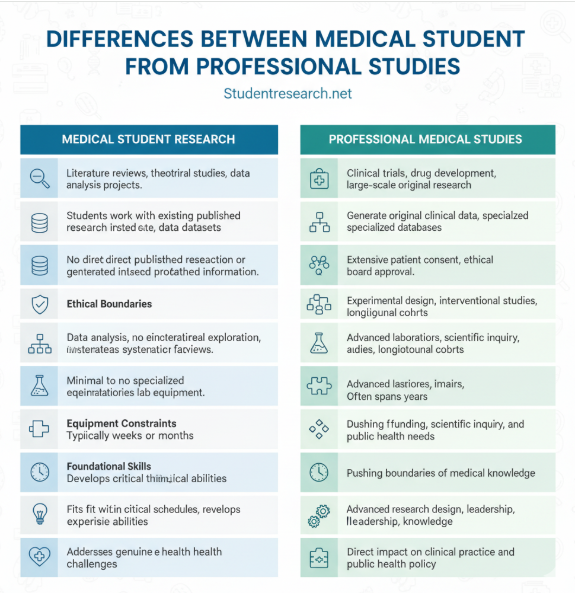
- Scope limitations: High school students conduct literature reviews rather than clinical trials
- Resource accessibility: Students work with existing published research instead of generating original clinical data
- Ethical boundaries: Medical student research avoids direct patient interaction or protected health information
- Methodological approaches: Focus areas include data analysis, theoretical exploration, and systematic reviews
- Equipment constraints: Most topics don’t require specialized laboratory equipment or facilities
- Time considerations: Projects typically span weeks or months, not years like professional studies
- Feasibility focus: Topics must fit within high school resources, schedules, and expertise levels
- Intellectual challenge: Nevertheless, medical research topics for high school students remain academically rigorous
- Foundational skills: Students develop critical thinking abilities essential for future healthcare careers
- Real-world relevance: Projects address genuine health challenges facing communities today
The Interdisciplinary Nature of Medical Research Topics for High School Students
- Biology connections: Medical student research explores cellular mechanisms, genetics, and physiological systems
- Chemistry applications: Topics examine drug interactions, biochemical pathways, and pharmaceutical development
- Psychology intersections: Mental health research combines neuroscience with behavioral science principles
- Technology integration: Artificial intelligence, telemedicine, and digital health reshape modern healthcare delivery
- Ethical considerations: Medical research topics for high school students frequently involve bioethics and moral dilemmas
- Public policy implications: Healthcare access, insurance systems, and health regulations influence medical outcomes
- Sociology factors: Social determinants of health affect disease prevalence and treatment accessibility
- Economics impact: Healthcare costs, pharmaceutical pricing, and resource allocation create research opportunities
- Environmental science: Climate change, pollution, and ecological factors influence disease patterns
- Data science tools: Statistical analysis and epidemiological methods strengthen medical student research quality
Modern Opportunities in Medical Research Topics for High School Students
- Digital access expansion: Students now access thousands of peer-reviewed journals through online databases
- COVID-19 lessons: The pandemic accelerated vaccine development, telemedicine adoption, and public health innovations
- Genetic engineering advances: CRISPR technology and personalized medicine create fascinating research possibilities
- AI revolution: Machine learning transforms diagnostic accuracy, drug discovery, and treatment planning
- Global health awareness: International disease surveillance and prevention programs offer rich research topics
- Mental health priority: Increasing focus on psychological wellness generates numerous medical student research opportunities
- Chronic disease epidemic: Rising rates of diabetes, obesity, and cardiovascular disease demand investigation
- Aging population studies: Geriatric medicine and longevity research expand rapidly
- Rare disease spotlight: Orphan diseases receive more attention through patient advocacy and specialized research
- 180+ topic diversity: This guide organizes medical research topics for high school students into 20 comprehensive categories
- Skill development: Engaging with medical student research builds analytical abilities for academic and professional success
- Genuine curiosity matters: The most compelling projects investigate questions students truly care about
- Community impact: Topics addressing local health challenges create meaningful, relevant research experiences
Need help with your next high school paper? We offer expert guides to help you master every step of the research process, from forming a hypothesis to drawing conclusions. Write a compelling project at studentresearch.net.
2. Key Factors to Consider When Choosing Medical Research Topics for High School Students
Now that you understand the opportunities available, selecting the right topic requires strategic planning. Building on the foundational knowledge from Section 1, you must evaluate multiple factors before committing to medical research topics for high school students.
Personal Interest and Project Feasibility in Medical Research Topics for High School Students
- Passion drives persistence: Genuine curiosity sustains you through research challenges and setbacks
- Family health connections: Personal experiences with medical conditions create meaningful research motivation
- Career exploration: Choose topics aligned with your future medical specialty interests
- News story inspiration: Current health events often spark compelling medical research topics for high school students
- Topic scope balance: Avoid overly broad subjects like “cancer research” or impossibly narrow focuses
- Appropriate depth: “Immunotherapy in melanoma treatment” offers better scope than “all cancer treatments”
- Time requirements: Assess whether you can complete the project within your deadline constraints
- Word count alignment: Ensure your topic provides enough material without overwhelming your page limits
- Complexity matching: Select medical student research that challenges you without causing frustration
- Prior knowledge: Build on your existing biology, chemistry, or health science coursework
- Skill development: Topics should push you slightly beyond your comfort zone
- Research format fit: Consider whether your topic suits literature reviews, data analysis, or comparative studies
Resource Availability and Academic Requirements for Medical Student Research Topics
- Database access: Verify your school library provides adequate medical journal subscriptions
- PubMed availability: Check access to free biomedical literature databases for your research
- Source quantity: Locate at least 15-20 quality peer-reviewed articles before finalizing your topic
- Paywall navigation: Some medical research topics for high school students require subscription-only journals
- Interlibrary loans: Explore whether your school can obtain articles from other institutions
- Expert consultation: Identify teachers, doctors, or professors who can provide guidance
- Data accessibility: Ensure statistical information and research findings are publicly available
- Equipment needs: Most topics shouldn’t require specialized laboratory instruments or facilities
- Software requirements: Basic statistical tools should suffice for high school-level analysis
- Budget constraints: Choose medical research topics that don’t demand expensive materials or resources
- Geographic limitations: Consider whether your topic requires access to specific medical facilities
- Language barriers: Stick with English-language sources unless you’re fluent in other languages
Ethical Standards and Academic Goals in Medical Research Topics for High School Students
- Human subjects protection: High school students cannot conduct research involving patient interaction
- Institutional approval: Clinical studies require IRB (Institutional Review Board) oversight unavailable to most students
- Protected health information: HIPAA regulations prevent accessing patient medical records
- Animal research restrictions: Laboratory animal studies need extensive ethical approvals and supervision
- Literature review focus: Most medical research topics for high school students involve analyzing existing studies
- Survey limitations: Student surveys need parental consent, teacher approval, and careful design
- Medical advice prohibition: Your research cannot diagnose conditions or recommend treatments
- Plagiarism avoidance: Properly cite all sources and present others’ work accurately
- Data integrity: Never fabricate or manipulate research findings to support your hypothesis
- College application value: Strong research demonstrates intellectual curiosity to admissions officers
- Science fair eligibility: Verify your chosen topic meets competition guidelines and categories
- Publication opportunities: Some high school research journals accept well-executed medical student research
- Scholarship potential: Exceptional projects may qualify for academic awards and recognition
- Future career foundation: Your topic can demonstrate sustained interest in specific medical fields
- Interview talking points: Research projects provide compelling discussion material for college interviews
- Skill transferability: Critical thinking abilities developed through research benefit all career paths
- Portfolio building: Documentation of your research process showcases methodological understanding
- Recommendation letters: Teachers can write stronger recommendations based on your research dedication
3. Comprehensive Categories of Medical Research Topics for High School Students
This section presents 190 medical research topics for high school students, organized into 20 carefully curated categories. Each category contains multiple topic suggestions that range from foundational to advanced, ensuring options for every student’s interest and ability level.
Top 10 Controversial Medical Research Topics in the 2020s
These topics address the most heated ethical, political, and scientific debates shaping modern medicine. They involve complex moral dilemmas, conflicting values, and ongoing policy disputes that divide medical professionals, legislators, and the public.
- CRISPR gene editing in human embryos: ethical boundaries and future implications
- Vaccine mandates versus personal freedom: balancing public health and individual rights
- Assisted suicide and medical aid in dying: physician roles and ethical considerations
- Transgender youth healthcare: the debate over puberty blockers and hormone therapy
- Artificial intelligence in diagnostic medicine: replacing or augmenting physician judgment
- Opioid prescription practices: pain management versus addiction prevention strategies
- Fetal tissue research: scientific benefits versus ethical concerns in medical advancement
- Accessibility and pricing of breakthrough cancer treatments and orphan drugs
- Social media’s role in spreading medical misinformation during health crises
- Human challenge trials for vaccine development: ethics of intentionally infecting volunteers
Top 10 Medical Research Topics on Rare Medical Conditions
Rare diseases affect small patient populations but offer unique insights into human biology and medical science. These conditions often lack effective treatments and present diagnostic challenges, making them compelling research subjects that highlight the importance of specialized medical research.
- Progeria (Hutchinson-Gilford syndrome): rapid aging in children and current treatment approaches
- Fibrodysplasia ossificans progressiva (FOP): when muscles and tissues progressively turn to bone
- Fatal familial insomnia: the genetic prion disorder that prevents sleep and causes death
- Aquagenic urticaria: severe allergic reactions to water contact and management strategies
- Alien hand syndrome: neurological causes of involuntary limb movement after brain injury
- Trimethylaminuria (fish odor syndrome): metabolic disorder diagnosis and profound social impact
- Exploding head syndrome: understanding loud auditory hallucinations during sleep transitions
- Electromagnetic hypersensitivity: debating medical validity and patient experiences with technology
- Alice in Wonderland syndrome: perceptual distortions and their neurological basis
- Stoneman syndrome: progressive heterotopic ossification and quality of life implications
Infectious Disease Medical Student Research Topics
Infectious diseases remain leading causes of death globally, with emerging pathogens, antibiotic resistance, and pandemic threats creating urgent research needs. These topics explore how microorganisms cause illness and how medicine combats them.
- Antibiotic resistance: the growing global health crisis and potential solutions
- Emerging zoonotic diseases: how animal-to-human transmission creates pandemic risks
- Climate change’s role in spreading vector-borne diseases like malaria and dengue fever
- Tuberculosis resurgence: drug-resistant strains threatening developing nations
- HPV vaccination programs: effectiveness in preventing cervical and oropharyngeal cancers
- Hepatitis C elimination strategies in the era of direct-acting antiviral medications
- Hospital-acquired infections: prevention strategies and their economic impact on healthcare systems
- The microbiome’s role in immune system development and disease resistance
- Long COVID effects: understanding post-acute sequelae of SARS-CoV-2 infection
- Fungal infections in immunocompromised patients: rising threats and treatment challenges
Chronic Disease Medical Research Topics for High School Students
Chronic diseases develop slowly and persist long-term, requiring ongoing management rather than cure. These conditions represent the leading causes of death and disability worldwide, affecting quality of life and healthcare costs.
- Type 2 diabetes prevention through lifestyle interventions in adolescent populations
- Childhood obesity: medical complications and evidence-based intervention programs
- Asthma triggers and management strategies in urban versus rural environments
- Cardiovascular disease prevention: the role of diet, exercise, and early screening programs
- Inflammatory bowel disease in young adults: Crohn’s disease versus ulcerative colitis
- Chronic kidney disease: early detection methods and progression prevention strategies
- Autoimmune disorders: understanding why the immune system attacks healthy body tissues
- Chronic pain management without opioids: alternative approaches and effectiveness
- COPD in non-smokers: occupational exposures and genetic risk factors
- The connection between chronic inflammation and multiple disease states
Mental Health Medical Student Research Topics
Mental health conditions affect millions globally, with increasing recognition of their biological basis and treatment importance. These topics explore the complex interplay between brain chemistry, environment, and psychological well-being.
- Teenage depression and anxiety: the impact of social media and academic pressure
- PTSD treatment options: comparing traditional therapy with EMDR and neurofeedback
- The gut-brain axis: how intestinal microbiome health influences mental well-being
- Eating disorders in male athletes: recognition barriers and treatment challenges
- Bipolar disorder: differentiating between types and optimizing medication management strategies
- Seasonal affective disorder: light therapy and other evidence-based treatment approaches
- ADHD overdiagnosis debate: distinguishing normal childhood behavior from clinical disorder
- Schizophrenia early warning signs: the critical importance of intervention timing
- Suicide prevention programs in schools: effectiveness of different intervention approaches
- Mindfulness-based interventions for anxiety: scientific evidence and underlying mechanisms
Cancer Research Topics for Medical Students
Cancer remains a leading cause of death worldwide, but revolutionary treatments are transforming many cancers into manageable chronic conditions. These topics explore prevention, detection, treatment innovations, and survivorship challenges.
- Immunotherapy revolution: how CAR-T cell therapy is changing cancer treatment paradigms
- Breast cancer screening: the ongoing debate over mammography timing and frequency
- HPV’s role in head and neck cancers: changing demographics of these diseases
- Childhood leukemia: treatment advances and long-term survivor quality of life outcomes
- Pancreatic cancer: why it remains so deadly and current promising research directions
- Skin cancer prevention: effective public health messaging strategies for adolescents
- Genetic testing’s role in identifying hereditary cancer syndromes like Lynch syndrome
- Cancer survivorship: managing long-term physical and psychological effects of treatment
- Liquid biopsies: detecting cancer through blood tests rather than invasive tissue samples
- The ketogenic diet in cancer treatment: evaluating controversial metabolic therapy claims
Genetic and Hereditary Medical Research Topics for High School Students
Genetic research reveals how DNA variations cause disease and inform personalized treatment. These topics explore inherited conditions, gene therapy breakthroughs, and the ethical implications of genetic manipulation.
- Down syndrome: current research into cognitive development and adult health complications
- Sickle cell disease: gene therapy approaches and new curative treatment options
- Cystic fibrosis: how CFTR modulator drugs have transformed patient outcomes dramatically
- Huntington’s disease: ethical considerations in genetic testing for late-onset conditions
- Hemophilia: gene therapy successes and remaining challenges in treatment
- Epigenetics’ role: how environmental factors influence gene expression and disease development
- Pharmacogenomics: personalizing drug treatment based on individual genetic profiles
- BRCA mutations: decision-making about prophylactic surgery in young women at risk
- Hereditary blindness: gene therapy successfully restoring vision in inherited retinal diseases
- Designer babies debate: the ethics of genetic selection beyond disease prevention
Neurological Medical Student Research Topics
Neurological disorders affect the brain, spinal cord, and nerves, often causing devastating disabilities. These conditions challenge researchers seeking to understand the nervous system’s complexity and develop effective treatments.
- Alzheimer’s disease: promising research directions in prevention and early treatment
- Parkinson’s disease: understanding alpha-synuclein’s role and emerging therapeutic approaches
- Multiple sclerosis: immune system dysfunction and disease-modifying treatment effectiveness
- Traumatic brain injury: long-term neurological and psychological consequences in athletes
- Epilepsy: advances in understanding seizure mechanisms and surgical intervention options
- Stroke prevention and recovery: the critical importance of time in treatment outcomes
- ALS (Lou Gehrig’s disease): current research into this devastating neurodegenerative condition
- Migraine pathophysiology: new understanding of mechanisms leading to novel treatment approaches
- Brain plasticity: how the nervous system adapts and reorganizes after injury
- The gut-brain connection in neurological diseases like Parkinson’s and Alzheimer’s
Medical Technology and Innovation Research Topics for High School Students
Technological advances revolutionize diagnosis, treatment, and patient care delivery. These topics explore cutting-edge innovations transforming how medicine is practiced and experienced.
- Artificial intelligence in radiology: improving diagnostic accuracy and efficiency in imaging
- 3D bioprinting organs: creating tissues and organs for transplantation and drug testing
- Robotic surgery systems: comparing patient outcomes with traditional surgical approaches
- Wearable health monitors: accuracy and clinical utility of consumer fitness devices
- Telemedicine expansion: healthcare access improvements and quality of care concerns
- CRISPR beyond gene editing: diagnostic applications and disease detection innovations
- Nanotechnology in drug delivery: targeting cancer cells while sparing healthy tissue
- Brain-computer interfaces: helping paralyzed patients communicate and control devices
- Artificial organs: latest advances in mechanical heart valves and ventricular assist devices
- Virtual reality in medical education: training surgeons and treating phobias and PTSD
Public Health Medical Research Topics for Medical Students
Public health focuses on preventing disease and promoting wellness in populations rather than individuals. These topics address community-level health challenges, policy interventions, and health equity issues.
- Vaccine hesitancy: addressing parental concerns through effective science communication
- Health disparities: examining how socioeconomic status affects medical outcomes across populations
- Food deserts: nutrition access and its impact on obesity and chronic disease rates
- Substance abuse prevention programs: evaluating effectiveness in adolescent populations
- Environmental health: air pollution’s impact on respiratory and cardiovascular disease
- Global health initiatives: evaluating effectiveness of malaria prevention programs in Africa
- Maternal mortality: addressing racial and socioeconomic disparities in pregnancy-related deaths
- Health literacy: how medical information comprehension affects treatment compliance and outcomes
- School-based health services: improving healthcare access for underserved children
- The obesity epidemic: examining policy interventions like sugar taxes and menu labeling laws
Pediatric Medical Student Research Topics
Pediatric medicine addresses unique health challenges in children from birth through adolescence. These topics explore developmental issues, childhood diseases, and age-appropriate treatment approaches.
- Childhood vaccination schedules: the immunological science behind timing and spacing recommendations
- Congenital heart defects: surgical advances dramatically improving survival rates and outcomes
- Premature birth complications: long-term developmental outcomes and early intervention strategies
- Childhood cancer survivorship: late effects of treatment on physical and cognitive development
- Kawasaki disease: mysterious inflammatory illness causing heart damage in young children
- Autism spectrum disorder: early intervention strategies and long-term developmental outcomes
- Childhood diabetes management: balancing glycemic control with quality of life considerations
- Respiratory syncytial virus (RSV): prevention strategies for high-risk infant populations
- Learning disabilities: the neurological basis of dyslexia, dyscalculia, and dysgraphia
- Adverse childhood experiences: how trauma affects lifelong physical and mental health
Geriatric Medical Research Topics for High School Students
Aging populations face unique health challenges requiring specialized medical approaches. These topics explore age-related conditions, successful aging strategies, and quality of life in later years.
- Polypharmacy in elderly patients: safely managing multiple medications and drug interactions
- Falls prevention: evidence-based interventions reducing injury risk in older adults
- Cognitive decline versus dementia: understanding normal aging versus pathological changes
- End-of-life care: how hospice and palliative medicine improve quality of dying
- Osteoporosis: prevention strategies and treatments beyond calcium supplementation
- Social isolation in elderly populations: health impacts and community intervention programs
- Successful aging: factors promoting health, independence, and well-being in late life
- Elder abuse recognition: medical providers’ crucial role in identifying and reporting
- Frailty syndrome: predicting which elderly patients face greatest adverse health risks
- Age-related macular degeneration: treatments preserving vision in older adults
Nutrition and Metabolic Medical Student Research Topics
Nutrition profoundly affects health, disease risk, and treatment outcomes. These topics explore dietary interventions, metabolic disorders, and the science behind nutritional recommendations.
- Intermittent fasting: evaluating health claims and physiological effects on metabolism
- The Mediterranean diet: scientific evidence for cardiovascular disease prevention benefits
- Artificial sweeteners: safety concerns and metabolic effects compared to sugar
- Vitamin D deficiency: prevalence, health impacts, and supplementation guideline controversies
- Eating disorder treatment: comparing effectiveness of inpatient versus outpatient approaches
- Sports nutrition: optimizing athletic performance through evidence-based dietary strategies
- Food allergies versus intolerances: distinguishing immune from non-immune reactions
- Inflammation’s role in metabolic syndrome development and chronic disease
- Malnutrition in hospitalized patients: improving nutritional screening and intervention protocols
- Probiotic supplements: scientific evidence for health benefits versus marketing claims
Reproductive Health Medical Research Topics for High School Students
Reproductive health encompasses fertility, pregnancy, and conditions affecting reproductive organs. These topics explore medical advances, health disparities, and ethical considerations in reproductive medicine.
- Endometriosis: delayed diagnosis challenges and treatment options for this painful condition
- Polycystic ovary syndrome: metabolic and reproductive implications in young women
- Infertility treatments: IVF success rates, costs, and ethical considerations
- Prenatal genetic testing: navigating screening choices and ethical implications of results
- Maternal health disparities: examining pregnancy outcome differences across racial and socioeconomic groups
- Contraceptive methods: comparing effectiveness, side effects, and accessibility across options
- Preeclampsia: predicting and preventing this dangerous pregnancy complication
- Postpartum depression: recognition barriers, treatment approaches, and long-term outcomes
- Teenage pregnancy: medical risks for young mothers and effective intervention programs
- Male factor infertility: often overlooked causes and emerging treatment approaches
Immunology Medical Student Research Topics
The immune system protects against infection but can also cause disease when malfunctioning. These topics explore immune function, autoimmune conditions, allergies, and immunotherapy innovations.
- Allergies and the hygiene hypothesis: rising allergy rates in developed nations
- Organ transplantation: advances in reducing rejection through immunosuppression strategies
- Rheumatoid arthritis: understanding autoimmune joint destruction and biologic treatment effectiveness
- HIV/AIDS: treatment advances transforming a death sentence into a manageable chronic condition
- Primary immunodeficiency disorders: rare conditions leaving patients vulnerable to severe infections
- Cancer immunotherapy: training the immune system to recognize and fight tumors
- Anaphylaxis: emergency recognition and treatment of severe allergic reactions
- Lupus: the challenging diagnosis and treatment of this multisystem autoimmune disease
- Type 1 diabetes: autoimmune destruction of insulin-producing cells and prevention research
- The hygiene hypothesis: why reduced childhood infections may increase autoimmune disease rates
Cardiovascular Medical Research Topics for High School Students
Cardiovascular disease remains the leading cause of death globally. These topics explore heart and blood vessel conditions, risk factors, prevention strategies, and treatment innovations.
- Heart failure: understanding systolic versus diastolic dysfunction and treatment approaches
- Atrial fibrillation: stroke risk assessment and anticoagulation treatment decisions
- Congenital heart disease in adults: long-term outcomes and specialized care needs
- Hypertension in young adults: early prevention strategies and lifestyle interventions
- Cholesterol management: comparing statins with newer PCSK9 inhibitor medications
- Heart attack: time-critical interventions and cardiac rehabilitation program effectiveness
- Cardiac arrest survival: improving outcomes through CPR training and AED accessibility
- Athletes’ hearts: distinguishing healthy cardiac adaptation from dangerous conditions
- Sudden cardiac death in young athletes: screening program effectiveness and controversies
- Heart valve disease: deciding between repair versus replacement surgical approaches
Respiratory Medical Student Research Topics
Respiratory conditions affect breathing and oxygen exchange, ranging from common infections to chronic lung diseases. These topics explore causes, prevention, and treatment of respiratory disorders.
- Lung cancer screening: determining who should be screened and optimal timing
- Cystic fibrosis: how new CFTR modulator medications are extending patient lifespans
- Sleep apnea: health consequences beyond daytime sleepiness including cardiovascular risks
- Vaping-related lung injury: understanding health risks of e-cigarettes in adolescents
- Occupational lung diseases: asbestos exposure, silicosis, and worker protection policies
- Pulmonary fibrosis: progressive lung scarring causes and treatment options
- Pneumonia: vaccine-preventable disease burden and antibiotic resistance challenges
- Bronchiectasis: chronic lung infection causes and management strategies
- Pulmonary hypertension: high blood pressure in lung vessels and treatment approaches
- Respiratory disease in premature infants: bronchopulmonary dysplasia long-term outcomes
Emergency and Trauma Medical Research Topics for High School Students
Emergency medicine addresses acute life-threatening conditions requiring immediate intervention. These topics explore trauma care, emergency response systems, and critical care innovations.
- Trauma systems: how regionalized care coordination improves survival after severe injury
- Emergency department overcrowding: underlying causes and potential solutions
- Sepsis: early recognition and treatment protocols that save lives
- Burn treatment: advances in wound care, skin grafting, and rehabilitation
- Snakebite management: antivenom administration and first aid controversies
- Mass casualty incidents: triage principles and disaster preparedness planning
- Drowning: prevention strategies and resuscitation protocols
- Carbon monoxide poisoning: the silent killer in homes and treatment approaches
- Hypothermia: physiological effects and rewarming protocols
- Emergency medical services: how prehospital care improves patient outcomes
Pharmaceutical Medical Student Research Topics
Pharmaceuticals represent the most common medical intervention, yet drug development and prescribing involve complex scientific and ethical considerations. These topics explore medication development, safety, and policy issues.
- Drug development process: from initial discovery through FDA approval stages
- Clinical trial design: understanding study phases and ethical requirements for human subjects
- Pharmaceutical pricing: balancing innovation incentives with medication affordability and access
- Generic versus brand-name medications: bioequivalence standards and cost savings
Sports Medicine Medical Research Topics for High School Students
Sports medicine addresses injuries, performance optimization, and health issues unique to athletes. These topics explore injury prevention, treatment innovations, and athletic health challenges.
- Concussion: recognition, management protocols, and return-to-play decision criteria
- ACL tears: prevention programs and reconstruction surgery outcomes
- Overuse injuries in young athletes: risks of early sport specialization
- Performance-enhancing drugs: health risks, detection methods, and ethical implications
- Female athlete triad: disordered eating, amenorrhea, and bone density loss
- Exercise-induced asthma: diagnosis and management strategies in athletes
Tired of struggling with research projects? We provide the tools you need to explore and understand topics in any subject, from science to literature. Turn your curiosity into a great grade. Start today at studentresearch.net.
4. Alternative and Complementary Therapy Medical Research Topics for High School Students
Alternative medicine intersects with conventional healthcare in complex ways, offering rich research opportunities. These topics explore evidence-based complementary therapies alongside unproven treatments, helping students develop critical evaluation skills. Understanding this landscape prepares future healthcare providers to counsel patients about integrative medicine options effectively.
Acupuncture and Traditional Chinese Medicine Research Topics for Medical Students
- Chronic pain management: Acupuncture’s effectiveness for lower back pain, osteoarthritis, and migraine headaches
- Mechanism investigations: Whether acupuncture works through placebo effects, endorphin release, or meridian systems
- Western integration: How acupuncture fits into evidence-based pain management protocols
- Herbal medicine interactions: How traditional Chinese herbs interact with conventional pharmaceutical drugs
- Cupping therapy evidence: Scientific research supporting or refuting cupping’s claimed health benefits
- Tai chi applications: Effectiveness as fall-prevention intervention for elderly populations
- Cultural medicine comparison: Examining Eastern and Western medical paradigms through scientific lens
- Research quality issues: Evaluating methodological challenges in acupuncture clinical trials
- Insurance coverage: Policy debates about covering alternative therapies in health insurance plans
- Safety considerations: Potential risks and contraindications for acupuncture and herbal treatments
Mind-Body Medicine Medical Research Topics for High School Students
- Meditation and brain structure: How mindfulness practices affect brain anatomy through neuroimaging studies
- Yoga for chronic pain: Effectiveness in managing fibromyalgia, arthritis, and back pain conditions
- Mindfulness programs: Impact on anxiety disorders, depression, and stress-related conditions
- Biofeedback applications: Treating temporomandibular joint disorders and tension headaches effectively
- Guided imagery: Effects on post-operative pain, recovery time, and patient satisfaction
- Hypnosis in medicine: Applications in chronic pain management and smoking cessation programs
- Stress reduction mechanisms: Understanding physiological changes during meditation and relaxation techniques
- Heart rate variability: Biofeedback training for cardiovascular health and stress management
- Body scan meditation: Effects on pain perception and emotional regulation
- Clinical integration: How hospitals incorporate mind-body approaches into conventional treatment plans
Herbal Supplements and Natural Medicine Medical Student Research Topics
- St. John’s Wort: Evidence for effectiveness in treating mild to moderate depression
- Echinacea research: Can it prevent or shorten common cold duration effectively
- Turmeric and inflammation: Scientific support for curcumin’s anti-inflammatory claims
- Quality control concerns: Manufacturing variability and contamination issues in supplement industry
- Supplement-drug interactions: Dangerous combinations between herbs and prescription medications
- Marketing versus evidence: Distinguishing between manufacturer claims and scientific research findings
- Omega-3 fatty acids: Evidence for cardiovascular benefits and optimal dosing strategies
- Probiotics research: Specific strains proven effective for digestive and immune health
- Ginkgo biloba: Evaluating claims about memory enhancement and cognitive function
- Regulation gaps: Why dietary supplements face less stringent oversight than pharmaceuticals
Manual and Energy Therapy Medical Research Topics for High School Students
- Chiropractic effectiveness: Comparing outcomes for lower back pain versus conventional treatments
- Osteopathic manipulation: Role in holistic medical care and musculoskeletal problem treatment
- Massage therapy benefits: Evidence for effectiveness in fibromyalgia and cancer-related pain
- Physical therapy comparison: How manual therapies complement or substitute for conventional rehabilitation
- Homeopathy science: Examining why remedies lack plausible biological mechanisms
- Placebo effect: Understanding why people believe in treatments despite lack of evidence
- Reiki and therapeutic touch: Evaluating claims about energy healing through rigorous research
- Ethics of unproven therapies: Should providers offer treatments lacking scientific support
- Evidence hierarchy: Teaching patients to distinguish evidence-based complementary medicine from pseudoscience
- Integrative medicine models: How academic medical centers incorporate complementary approaches responsibly
5. Research Methodology Guidelines for Medical Student Research Topics
Successfully executing medical research projects requires understanding appropriate methodologies and ethical guidelines. High school students must select research approaches matching their resources, skills, and topic requirements. This section outlines feasible research methods and critical ethical considerations for student researchers.
Literature Review Approaches for Medical Research Topics for High School Students
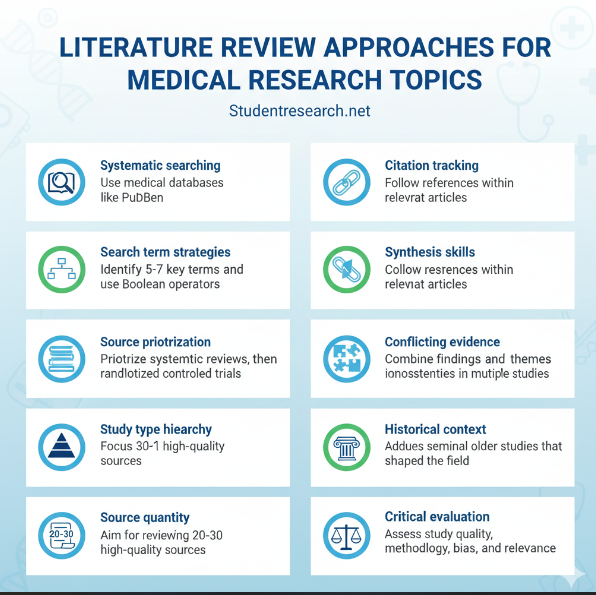
- Systematic searching: Use medical databases like PubMed, Google Scholar, and MEDLINE effectively
- Search term strategies: Identify 5-7 key terms and use Boolean operators (AND, OR, NOT)
- Source prioritization: Focus on peer-reviewed journals from the last 5-10 years
- Study type hierarchy: Prioritize systematic reviews, meta-analyses, and randomized controlled trials
- Source quantity: Aim for reviewing 20-30 high-quality sources for comprehensive coverage
- Citation tracking: Follow references in key papers to find additional relevant studies
- Synthesis skills: Combine findings from multiple studies to draw evidence-based conclusions
- Conflicting evidence: Address disagreements in literature rather than ignoring them
- Historical context: Include seminal older studies that established foundational knowledge
- Critical evaluation: Assess study quality, methodology, and potential biases systematically
Comparative and Analytical Medical Student Research Topics
- Treatment comparisons: Examine two or more therapeutic approaches for the same condition
- Healthcare system analysis: Compare outcomes, costs, and accessibility across different countries
- Policy evaluation: Assess effectiveness of different public health interventions
- Demographic comparisons: Analyze how diseases affect different population groups
- Controlling variables: Identify confounding factors that might influence outcome differences
- Data source reliability: Ensure comparable, accurate data for all comparison groups
- Statistical considerations: Understand basic statistical significance and confidence intervals
- Case study analysis: Examine published medical cases to understand clinical decision-making
- Survey research: Design questionnaires investigating health knowledge, behaviors, or attitudes among peers
- Ethical approval: Obtain necessary permissions before conducting any survey research
Ethical Guidelines for Medical Research Topics for High School Students
- No patient contact: Students cannot conduct research involving direct patient interaction
- Protected health information: HIPAA prevents accessing individual medical records
- No clinical experiments: Laboratory research requires institutional oversight unavailable to most students
- Informed consent: Any surveys require participant consent and parental permission for minors
- Teacher oversight: All research should receive advisor review before implementation
- Plagiarism prevention: Properly cite all sources and represent others’ work accurately
- Data integrity: Never fabricate or manipulate research findings to support hypotheses
- Medical advice limits: Research cannot diagnose conditions or recommend specific treatments
- Animal research restrictions: Laboratory animal studies require extensive ethical approvals
- Objective reporting: Present findings honestly, including results that contradict your expectations
6. Essential Resources and Tools for Medical Research Topics for High School Students
Successfully investigating medical research topics for high school students requires access to quality resources and understanding how to evaluate medical information critically. Finding reliable sources is fundamental when exploring medical student research topics, as the quality of your research depends entirely on the credibility of your information sources. High school students must learn to distinguish between peer-reviewed scientific literature and unreliable internet content when working on medical research topics for high school students. This section provides comprehensive guidance on accessing academic databases, evaluating source credibility, and utilizing professional medical resources. With the right tools and critical evaluation skills, students can conduct rigorous research on any medical student research topic they choose.
Academic Databases and Search Platforms for Medical Student Research Topics
- PubMed (pubmed.ncbi.nlm.nih.gov): Free access to over 35 million biomedical research citations; considered the gold standard for medical research topics for high school students
- Google Scholar (scholar.google.com): Broader academic search engine covering medical student research topics across multiple disciplines including psychology, public health, and policy studies
- PubMed Central (PMC): Free full-text archive of biomedical and life sciences journal articles, excellent for accessing complete studies on medical research topics
- MeSH Database: Medical Subject Headings system that helps students find relevant articles even without knowing precise scientific terminology for their medical research topics for high school students
- EBSCO, ProQuest, and JSTOR: Subscription databases often available through school or public libraries providing full-text access to journals covering medical student research topics
- ClinicalTrials.gov: Registry of ongoing and completed clinical trials; useful for understanding current research directions in various medical research topics
- Cochrane Library: Collection of systematic reviews and meta-analyses representing the highest quality evidence for medical research topics for high school students
- WHO Library: World Health Organization database offering global health statistics and reports on international medical student research topics
- ScienceDirect: Platform providing access to peer-reviewed journals and books across medical and scientific disciplines
- Contact researchers directly: When encountering paywalled articles on medical research topics, email authors often willingly share their work with interested high school students
Evidence Quality Assessment for Medical Research Topics for High School Students
- Hierarchy of evidence for medical student research topics: Systematic reviews and meta-analyses (strongest) → randomized controlled trials → cohort studies → case-control studies → case series → expert opinion (weakest)
- Peer-reviewed journals: Prioritize peer-reviewed publications over websites, news articles, or blogs when researching medical research topics for high school students
- Journal impact factor: Higher impact factors generally indicate more influential journals publishing quality research on medical student research topics
- Predatory journals: Learn to identify low-quality journals that publish research on medical research topics without proper peer review or editorial standards
- Recency of research: For rapidly evolving medical research topics for high school students, prioritize studies from the last 5 years; for established topics, seminal older studies remain valuable
- Sample size considerations: Larger studies on medical student research topics generally provide more reliable evidence than small pilot studies
- Conflict of interest disclosure: Always check funding sources for medical research topics; industry-funded studies may have inherent biases
- Replication and consensus: Single studies contradicting established medical consensus require skepticism; look for multiple studies reaching similar conclusions on medical research topics for high school students
- Methodology rigor: Evaluate whether research methods are appropriate for the medical student research topic being investigated
- Statistical significance: Understand p-values and confidence intervals when evaluating quantitative research on medical research topics
Authoritative Medical Organizations and Citation Tools for Medical Student Research Topics
- Centers for Disease Control and Prevention (CDC.gov): Authoritative information on infectious diseases, chronic conditions, and public health medical research topics for high school students
- National Institutes of Health (NIH.gov): Federal agency providing research updates, health information, and funding data for medical student research topics
- World Health Organization (WHO.int): Global health statistics, disease outbreak information, and international perspectives on medical research topics
- Mayo Clinic (mayoclinic.org): Reliable patient education resources and medical information on diverse medical research topics for high school students
- American Medical Association (AMA-assn.org): Professional organization offering policy statements and research summaries on medical student research topics
- Specialty medical societies: American Heart Association, American Cancer Society, American Academy of Pediatrics provide focused information on specific medical research topics for high school students
- UpToDate: Evidence-based clinical resource (subscription required) covering current best practices for medical student research topics
- MedlinePlus: Consumer-friendly health information from the National Library of Medicine on medical research topics
- Zotero citation manager: Free tool for organizing sources and generating bibliographies for medical research topics for high school students in APA, MLA, or Chicago format
- Mendeley: Reference management software specifically designed for academic papers on medical student research topics
- EasyBib or Citation Machine: Web-based tools for quickly generating citations for medical research topics
- Proper attribution practices: Accurately represent numerical data, study conclusions, and scientific terminology from sources when working on medical research topics for high school students
7. Moving Forward with Your Medical Student Research Topic
Selecting from the 190 medical research topics for high school students represents just the beginning of your research journey. Successfully completing your project requires strategic planning, disciplined execution, and commitment to scientific rigor. With the comprehensive categories and resources provided in this guide, you’re equipped to pursue meaningful medical research that advances your understanding and academic goals.
Refining and Planning Your Medical Research Topics for High School Students
- Narrow your focus: Transform broad topics into specific, researchable questions with clear objectives
- Question formulation: Change “cancer research” to “How has immunotherapy changed melanoma survival rates?”
- Mentor consultation: Discuss your topic with teachers, doctors, or healthcare professionals for guidance
- Expert insights: Medical professionals often welcome opportunities to mentor interested high school students
- Resource verification: Confirm adequate sources exist before fully committing to your topic
- Timeline creation: Allocate 2-3 weeks for initial research and background reading
- Focused investigation: Plan 3-4 weeks for intensive research and systematic note-taking
- Organization period: Reserve 1-2 weeks for organizing findings and creating detailed outlines
- Writing phase: Schedule 2-3 weeks for drafting your research paper or project
- Revision time: Allow at least one week for editing, proofreading, and polishing your work
- Quality over speed: Rushed research produces superficial results that don’t showcase your abilities
Presenting and Utilizing Medical Student Research Topics
- Clear communication: Define technical terms and make complex medical concepts accessible to general audiences
- Visual aids: Use charts, diagrams, and infographics to illustrate key findings effectively
- Logical organization: Structure your presentation or paper with clear introduction, methods, findings, and conclusions
- Scientific accuracy: Maintain precision while making your medical research topics understandable
- Poster presentations: Design visually appealing posters that communicate main points quickly
- Oral presentations: Practice explaining your research confidently and answering questions
- Science fair participation: Enter competitions to showcase your work and receive feedback
- Publication opportunities: Submit to high school research journals to gain recognition
- College applications: Use research projects as compelling evidence of academic initiative and intellectual curiosity
Long-Term Benefits of Medical Research Topics for High School Students
- Critical thinking development: Research skills transfer to all academic disciplines and career paths
- Scientific literacy: Learn to evaluate medical claims and distinguish evidence from misinformation
- Career exploration: Deepen understanding of medicine’s complexity, challenges, and rewards
- Application essays: Use research experiences as foundations for compelling college admission essays
- Interview preparation: Your project provides excellent talking points for college and scholarship interviews
- Intellectual confidence: Successfully completing research builds confidence in your academic abilities
- Professional connections: Mentorship relationships may provide valuable recommendations and networking opportunities
- Skill portfolio: Research documentation demonstrates methodological understanding and dedication to future evaluators
- Medical school preparation: Early research experience provides advantages in competitive healthcare program admissions
- Lifelong learning: Analytical abilities developed through investigating medical student research topics prove invaluable throughout life
- Knowledge contribution: Your work adds to medical discourse and may inspire others to explore similar questions

