

Are you currently navigating the rigorous demands of nursing school and looking to balance your budget while gaining valuable clinical exposure? Finding the right employment while studying is a delicate balancing act, but it can significantly enhance your professional readiness and financial stability. This comprehensive guide outlines the best pathways to help you succeed, ensuring your student research into career-boosting roles leads you to the perfect opportunity in 2026.
Understanding the Balance: Why Part-Time Work Matters
Choosing to work while pursuing a nursing degree requires a strategic approach to ensure your studies remain your primary priority. Balancing academic responsibilities with professional experience can actually solidify the theoretical knowledge you gain in the classroom. By performing diligent student research, you can identify roles that offer flexibility, mentorship, and a genuine edge in the competitive healthcare job market.
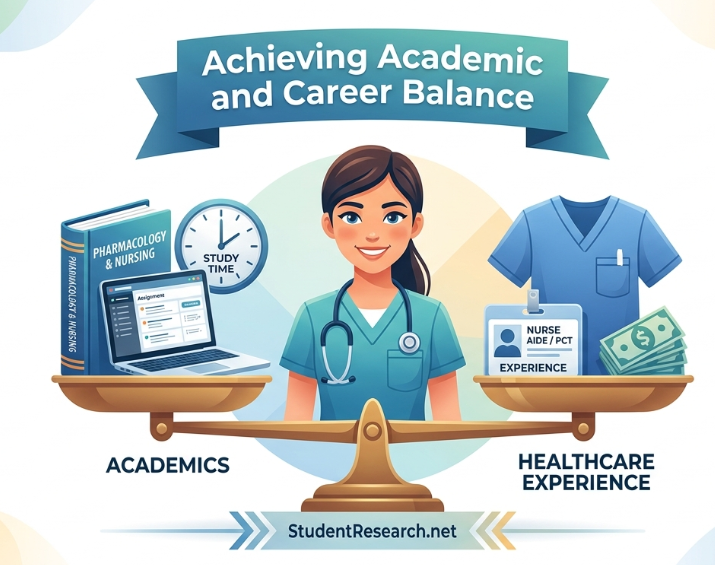
Benefits of Clinical vs. Non-Clinical Roles
- Clinical Experience: Provides hands-on exposure to patient care, hospital environments, and interdisciplinary collaboration.
- Non-Clinical Roles: Offers a necessary mental break from clinical intensity while still maintaining healthcare-related income.
- Professional Networking: Both avenues allow you to build relationships that are crucial for post-graduation job placement.
H2: Top Clinical Roles for Nursing Students
Clinical roles are highly sought after because they provide the practical application of skills learned during your clinical rotations. These positions typically involve working under the supervision of licensed nurses or physicians, offering invaluable real-world experience. Many students find that these roles significantly reduce the learning curve when they eventually transition to a full-time nursing position.
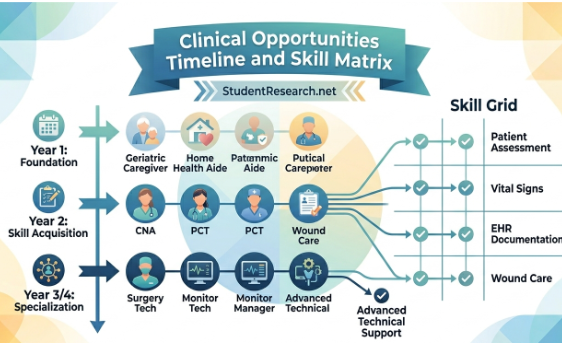
H3: Top 30 Clinical Opportunities for Aspiring Nurses
To excel in your nursing career, performing thorough student research into various clinical environments is essential. Below are 30 distinct opportunities that provide hands-on experience, allowing you to build foundational skills while still in school. These roles are categorized to help you align your work experience with your long-term professional aspirations.
H4: Direct Patient Care and Support Roles
- Certified Nursing Assistant (CNA): Provides fundamental support with activities of daily living (ADLs).
- Patient Care Technician (PCT): Focuses on technical support, including EKG monitoring and vital signs.
- Home Health Aide: Offers one-on-one care in a patient’s home, emphasizing autonomy.
- Emergency Medical Technician (EMT): Handles triage and immediate stabilization in pre-hospital environments.
- Surgical Technician: Prepares sterile fields and supports teams during procedures.
- Psychiatric Aide: Provides care for patients with mental health conditions in safe environments.
- Physical Therapy Aide: Guides patient exercises and mobility training after injury.
- Occupational Therapy Aide: Implements care plans to restore independence in daily tasks.
- Geriatric Caregiver: Specialized support for the unique needs of the elderly.
- Phlebotomy Technician: Masters venipuncture and specimen collection skills.
H4: Specialized and Technical Clinical Support
- Monitor Technician: Closely observes cardiac rhythms and ICU patient vitals.
- Dialysis Technician: Supports dialysis machine operations and patient monitoring.
- Pharmacy Technician: Gains extensive knowledge of pharmacology and medication workflows.
- Laboratory Assistant: Performs sample processing and routine testing.
- Respiratory Therapy Assistant: Assists in delivering oxygen and nebulizer treatments.
- Ophthalmic Technician: Assists in specialized eye examinations and minor procedures.
- Radiology/Imaging Aide: Transports and prepares patients for diagnostic imaging.
- Anesthesia Tech: Prepares equipment and ensures sterile supply availability.
- Endoscopy Technician: Handles specialized scopes during gastrointestinal procedures.
- Orthopedic Technician: Gains experience in casting, splinting, and musculoskeletal care.
H4: Community, Administrative, and Niche Clinical Roles
- Unit Secretary: Manages charts, patient coordination, and communication.
- Medical Scribe: Transcribes physician-patient interactions, gaining deep clinical insight.
- Community Health Worker: Assists with outreach programs to improve public health.
- Camp Nurse Assistant: Offers pediatric-focused care with immediate decision-making.
- Volunteer Patient Advocate: Gains experience in patient rights and conflict resolution.
- Clinical Research Assistant: Helps manage data for medical studies.
- Hospice Aide: Provides compassionate end-of-life care and family support.
- Urgent Care Assistant: Supports clinicians in high-volume, quick-turnaround settings.
- Blood Bank Technician: Focuses on the management of blood products for transfusions.
- Wellness Coordinator: Promotes preventative health education in community clinics.
H3: Maximizing Clinical Exposure Through Diverse Roles
- Bridge the Gap: Use these roles to bridge the gap between abstract textbook knowledge and the reality of bedside nursing.
- Skill Acquisition: Focus on roles that teach high-demand skills like phlebotomy, EKG interpretation, or electronic health record (EHR) documentation.
- Networking: Build relationships with Charge Nurses and physicians to gain references for future job applications.
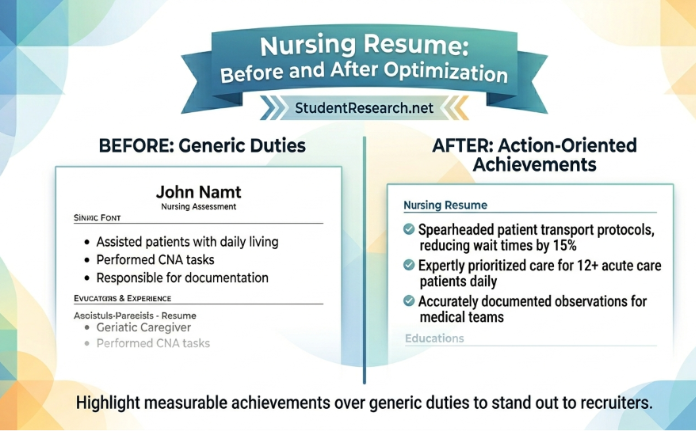
- Resume Building: Document your experience—such as “managed 15+ patient charts daily”—to make your resume stand out to recruiters.
H4: Comparing CNA vs. PCT Responsibilities
| Feature | Certified Nursing Assistant (CNA) | Patient Care Technician (PCT) |
| Primary Focus | Daily Living Activities (ADLs) | Advanced Technical Support |
| Work Setting | Hospitals & Long-Term Care | Primarily Acute Care Hospitals |
| Skill Set | Grooming, Feeding, Mobility | Phlebotomy, EKG, Vitals, Wound Care |
H2: Flexible Non-Clinical Jobs to Complement Your Schedule
For students who need maximum flexibility, non-clinical healthcare roles provide a way to stay connected to the medical field without the heavy demands of bedside care. These roles are often more accommodating to erratic study schedules, exam periods, and clinical rotation shifts. Through your own exploration, you will find these positions are excellent for developing soft skills like communication, time management, and administrative efficiency.
H3: Healthcare Administrative and Support Positions
- Unit Secretary: Acts as the organizational hub of a nursing unit, handling patient charts and communication.
- Medical Scribe: Records patient-physician interactions in real-time, providing deep insight into clinical decision-making.
- Pharmacy Technician: Understanding medication administration and pharmacy operations is a massive advantage for any nursing student.
H2: Specialized Roles Offering Premium Compensation
If your goal is to maximize your income while maintaining your academic focus, exploring specialized or high-demand roles is an excellent strategy. These positions may require additional certifications or specific skill sets, but they often pay significantly higher than standard entry-level healthcare jobs. Balancing these roles with your nursing curriculum demonstrates high-level capability to future employers.
H3: High-Paying Flexible Opportunities
- Phlebotomy Technician: Highly marketable skill that fits well into short, intense shifts.
- Sitter/Companion Care: Provides excellent income for low-intensity work, allowing for some dedicated study time during shifts.
- Crisis Response/Staffing Agency Support: Offers the highest pay rates for short-term, urgent staffing needs across various units.
H2: Commercial Solutions for Career Advancement
While building your resume through hands-on work, utilizing specific educational and career tools can significantly shorten your path to success. Professional platforms often provide the resources necessary to transition from a student role to a high-paying staff nurse position. These services are designed to help you organize your clinical hours, improve your NCLEX prep, and connect with top-tier recruiters early.
H3: Tools to Supercharge Your Nursing Career
- NCLEX Prep Platforms: Adaptive learning software that mirrors real-world nursing exams for maximum retention.
- Clinical Placement Apps: Digital tools that help you track your clinical hours and competencies required for graduation.
- Career Mentorship Subscriptions: Platforms offering direct access to nurse educators and career coaches for resume tailoring.
Ready to fast-track your nursing career with professional, polished documents? StudentResearch.net offers the ultimate academic edge for ambitious students. Save valuable time and secure your future success by choosing to order your specialized nursing content today!
H2: Essential Skills to Highlight in Your Resume
Every job you take as a student serves as a building block for your future nursing career, provided you frame it correctly on your resume. Employers are not just looking for technical proficiency; they are looking for evidence of time management, dedication, and patient empathy. Ensuring your resume reflects your growth in these areas is crucial when applying for competitive residency programs later.
H3: Soft Skills and Technical Competencies
- Interpersonal Communication: Developing the ability to convey complex medical information to patients and families clearly.
- Crisis Management: Learning to remain calm and effective under pressure, a requirement in any clinical setting.
- Technical Proficiency: Documenting your experience with Electronic Health Records (EHR) and medical equipment.
H2: Managing Academic Load and Professional Growth
The biggest challenge you will face is maintaining your academic standing while working, which requires meticulous planning and prioritization. It is vital to set firm boundaries with your employer regarding your academic availability to prevent burnout. Successfully managing this balance is perhaps the most impressive trait a nursing student can demonstrate to potential employers during interviews.
H3: Best Practices for Maintaining Work-Life Balance
- Prioritize Academic Calendars: Use scheduling software to block out exam weeks and major project deadlines well in advance.
- Limit Weekly Hours: Aim for a sustainable number of hours that leave room for adequate sleep and study time.
- Leverage School Resources: Take advantage of study groups and tutoring sessions to optimize your learning efficiency.
Struggling to balance clinical rotations with complex research assignments? Let StudentResearch.net elevate your academic performance. Our expert team provides tailored support, ensuring your nursing papers meet the highest scholarly standards while you focus on patient care.
H2: Conclusion and Final Steps
As you move forward in your journey, remember that every job choice is an investment in your future nursing career. By strategically selecting roles that offer flexibility, skill development, and financial support, you ensure a smoother transition into your professional life. Your Roadmap in 2026 includes these good jobs for nursing students to help you succeed, and we hope this guide serves as a key resource in your path to excellence. Good jobs for nursing students are the key to building a strong resume and financial stability; this guide provides the top 30 opportunities to help you succeed in 2026.

