

Clinical education often feels like a bridge between theoretical knowledge and the high-stakes reality of bedside care. Mastering the art of patient assessment and evidence-based practice requires more than just textbook memorization; it demands a deep understanding of complex, real-world scenarios. By analyzing case studies for nursing students, you gain the critical thinking skills necessary to excel in any healthcare environment, moving beyond rote learning into expert application.
The Role of Case Studies in Nursing Education
Case studies provide a structured environment for learners to apply clinical reasoning to complex patient situations without the pressures of a live clinical setting. They bridge the gap between classroom theory and real-world application, allowing you to simulate the decision-making process in a safe space. Leveraging these tools as part of your student research strategy ensures you are prepared for the nuances of diverse clinical rotations.
Why Clinical Simulation Matters
- Clinical simulations mirror the unpredictability of patient care, forcing you to prioritize interventions based on immediate needs.
- These exercises sharpen your diagnostic skills by requiring you to correlate symptoms with underlying pathophysiology.
- Engaging with varied case studies for nursing students promotes the development of rapid-response capabilities that are essential in acute care.
Struggling with complex clinical case analyses? Let our experts guide your academic journey! At StudentResearch.net, we provide professional, evidence-based support tailored to your nursing curriculum. Elevate your performance and master challenging topics with our dedicated, high-quality writing assistance today.
Bridging Theory and Bedside Practice
- By grounding your student research in actual clinical reports, you transform abstract medical concepts into tangible patient outcomes.
- Understanding the “why” behind nursing interventions is facilitated through deep analysis of successful and unsuccessful case outcomes.
- This analytical approach ensures that every step taken at the bedside is supported by robust, evidence-based data.
Developing Critical Thinking Through Case Analysis
Critical thinking is the bedrock of nursing; it is the ability to interpret data and make informed choices when patient lives are at stake. When you work through case studies for nursing students you are not just answering questions; you are practicing the mental gymnastics required to identify subtle shifts in a patient’s condition. Developing this proficiency early in your career sets a strong foundation for long-term professional growth and confidence.
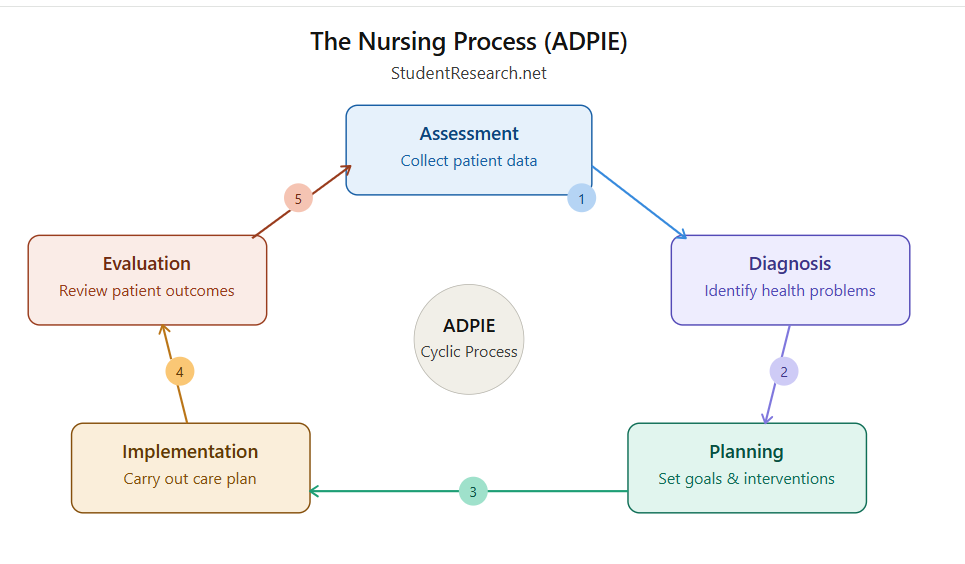
Frameworks for Clinical Reasoning
- The Nursing Process (ADPIE) acts as a reliable scaffold for unpacking complex scenarios systematically.
- Structured templates help ensure no detail—from laboratory values to psychosocial history—is overlooked during your evaluation.
- Applying standardized frameworks to case studies for nursing students helps identify potential complications before they manifest as emergencies.
Essential Components for Analysis
- Patient History: A comprehensive review of chronic conditions, allergies, and prior surgical procedures.
- Diagnostic Data: Interpreting CBC, electrolyte panels, and imaging results to support initial assessments.
- Interventions: Evaluating the appropriateness of prescribed treatments and the rationale behind nursing actions.
Comparing Clinical Approaches: A Data Perspective
To understand the efficacy of different treatments, comparing outcomes across similar patient profiles is vital. The following table illustrates common interventions for chronic conditions often analyzed in case studies for nursing students.
| Condition | Primary Assessment Focus | Standard Intervention | Expected Outcome |
| Type 2 Diabetes | Glucose Monitoring | Insulin Therapy/Education | HbA1c < 7.0% |
| Heart Failure | Fluid Overload Status | Diuretic Management | Reduced Edema |
| Hypertension | Blood Pressure Trends | Pharmacological Adherence | Stable BP < 130/80 |
| Asthma | Respiratory Rate/O2 | Bronchodilator Therapy | Improved Airway Flow |
13 Essential Examples of Nursing Case Studies
This section provides a curated selection of scenarios that cover the breadth of nursing specialties. Each example of case studies for nursing students serves as a learning milestone for different clinical domains. We have organized these to ensure you encounter everything from geriatric care to pediatric emergency management.
Medical-Surgical and Acute Care Examples
- #1: Managing Post-Operative Sepsis in Elderly Patients
- Recognizing subtle clinical cues such as confusion or “failure to thrive” in the initial post-operative window.
- Implementing early goal-directed therapy (EGDT) including fluid resuscitation and broad-spectrum antibiotic administration.
- Monitoring for systemic inflammatory response syndrome (SIRS) criteria alongside basic vital sign checks.
- Collaborating with the interdisciplinary team to monitor lactate levels and blood pressure trends effectively.
- #2: Acute Myocardial Infarction (AMI) Assessment
- Prioritizing ECG acquisition within the ten-minute “door-to-needle” time window.
- Assessing the patient’s pain quality, radiation, and response to sublingual nitroglycerin.
- Educating the patient and family on post-AMI lifestyle modifications and medication adherence.
- Identifying potential complications like cardiogenic shock or life-threatening dysrhythmias early.
- #3: Pressure Injury Prevention in Immobilized Surgical Patients
- Applying the Braden Scale to identify high-risk patients during the admission assessment.
- Utilizing evidence-based turning schedules and pressure-relieving surfaces to protect skin integrity.
- Managing nutritional intake, focusing on protein-calorie balance to promote wound healing.
- Documenting findings with precise measurements to track progress or deterioration of tissue.
- #4: Post-Stroke Rehabilitation and Neurological Monitoring
- Conducting frequent NIH Stroke Scale (NIHSS) assessments to monitor neurological stability.
- Implementing swallowing precautions and speech therapy referrals to prevent aspiration pneumonia.
- Coordinating physical therapy interventions to maximize patient independence post-discharge.
- Educating caregivers on the importance of medication adherence for blood pressure and cholesterol control.
Specialized Care and Complex Scenarios
- #5: Pediatric Asthma Management
- Assessing respiratory rate, accessory muscle use, and breath sounds in distressed pediatric patients.
- Administering nebulized bronchodilators and systemic corticosteroids based on established pediatric protocols.
- Teaching parents how to recognize asthma triggers and the correct use of home inhaler devices.
- Ensuring the patient is discharged with an asthma action plan that outlines specific red flags.
- #6: Neonatal Intensive Care (NICU) Protocols
- Monitoring thermoregulation and glucose stability in premature or low-birth-weight neonates.
- Supporting developmental care by minimizing light and sound exposure to reduce stress.
- Managing central line access for total parenteral nutrition (TPN) to prevent catheter-associated infections.
- Facilitating family involvement in the care process to support bonding despite the clinical environment.
- #7: Mental Health: Acute Anxiety and Crisis Intervention
- Establishing therapeutic communication to de-escalate crisis situations in a non-judgmental manner.
- Conducting safety assessments to identify immediate risks of self-harm or aggression toward others.
- Educating patients on grounding techniques and pharmacological interventions for anxiety symptom management.
- Ensuring continuity of care by coordinating with outpatient psychiatric services post-discharge.
- #8: Geriatric Oncology and Palliative Focus
- Balancing pain management efficacy with side effect monitoring in elderly, often frail, cancer patients.
- Assessing psychological and spiritual distress to provide holistic, patient-centered comfort.
- Managing complex symptoms like nausea, fatigue, and depression through a multidisciplinary approach.
- Facilitating difficult conversations regarding goals of care and advance directives with families.
- #9: Maternal-Child Health: Gestational Hypertension
- Monitoring for signs of pre-eclampsia, including blood pressure elevation, proteinuria, and severe headaches.
- Administering magnesium sulfate as a seizure prophylaxis and monitoring for signs of magnesium toxicity.
- Educating the patient on the importance of maternal movement and left-lateral positioning for placental perfusion.
- Preparing for potential emergency delivery and neonatal resuscitation should the patient’s condition deteriorate.
- #10: Infectious Disease Control: COVID-19 Management
- Implementing strict isolation protocols and PPE usage to prevent transmission within the facility.
- Monitoring oxygenation trends and using proning techniques to improve respiratory effort in acute distress.
- Managing the patient’s psychosocial needs while isolated from family members during hospitalization.
- Educating patients on long-term follow-up and monitoring for post-viral sequelae.
- #11: Trauma Care: Triage and Stabilization
- Utilizing the primary survey (ABCDE) to stabilize life-threatening injuries first.
- Coordinating rapid blood product administration in cases of significant hemorrhagic shock.
- Managing psychological trauma in patients who have experienced sudden, catastrophic events.
- Communicating effectively during hand-offs with surgical teams to ensure continuous care.
- #12: Community Health: Influenza Outbreak Management
- Executing infection control procedures to halt the spread of respiratory pathogens in residential settings.
- Identifying high-risk individuals for prioritized immunization and antiviral treatment protocols.
- Conducting public health education to promote hand hygiene and respiratory etiquette.
- Gathering data on disease transmission to improve future public health policy and responsiveness.
- #13: End-of-Life Care and Ethical Decision Making
- Providing compassionate care that prioritizes the patient’s comfort and wishes above all else.
- Navigating ethical dilemmas surrounding do-not-resuscitate (DNR) orders and artificial nutrition.
- Supporting families through the grieving process with empathy and clear communication.
- Ensuring that institutional policies align with legal requirements regarding death and dying.
By systematically reviewing these case studies for nursing students , you will find that patterns begin to emerge. You will transition from seeing individual tasks to seeing the patient’s entire journey, which is the ultimate goal of clinical education. Whether you are conducting student research to support a capstone project or simply preparing for your next clinical rotation, these examples provide the essential structure for high-level nursing practice.
Best Practices for Using Case Studies for Nursing Students
Maximizing the value of these resources requires an active, not passive, approach to your studies. Simply reading the solution is insufficient; you must work through the problem-solving phases yourself to truly gain the benefit. By incorporating case studies for nursing students into your daily schedule, you effectively train your brain to recognize clinical patterns efficiently.
Creating Your Own Study Group
- Facilitate peer-led discussions where each member explains their rationale for a specific nursing diagnosis.
- Debate the appropriateness of interventions, encouraging members to provide evidence from reliable nursing journals.
- Use these group sessions to practice professional communication, which is crucial for multidisciplinary team collaboration.
Tips for Effective Peer Review
- Listen actively to diverse perspectives, even when they contradict your initial assessment.
- Maintain a focus on evidence-based practice rather than personal experience or anecdotes.
- Record key takeaways from each session to build a library of shared knowledge for future exams.
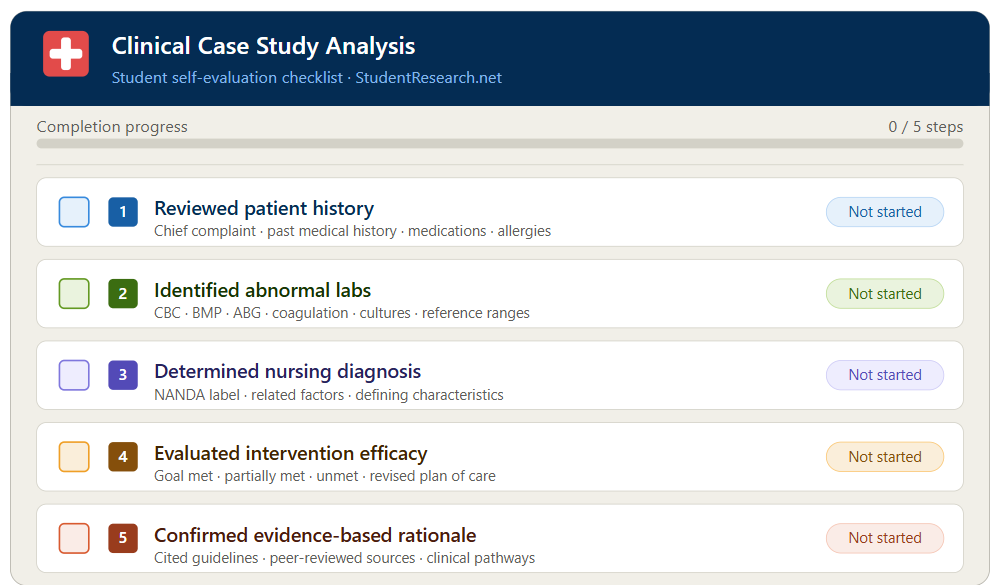
Integrating Technology and AI in Nursing Research
Modern education tools, including AI-driven platforms, have revolutionized how we interact with clinical data. While technology is a powerful aid, it must be used as a supplement to, not a replacement for, clinical judgment. Utilizing case studies for nursing students alongside verified data sources ensures that you are developing a balanced and accurate skill set.
The Ethics of Digital Learning
- Always ensure the patient data you analyze is de-identified to maintain HIPAA compliance and professional ethics.
- Critically evaluate the source of your case studies for nursing students to ensure they are peer-reviewed and clinically accurate.
- Use digital tools to visualize data trends, which can make understanding complex pharmacological interactions significantly easier.
Overcoming Common Analytical Challenges
Students often struggle when faced with ambiguous patient symptoms or conflicting diagnostic results. This is normal, and it is exactly where the deepest learning happens during your review of case studies for nursing students. Learning to navigate uncertainty is a hallmark of an advanced nurse practitioner.
Strategies for Complex Scenarios
- Focus on the most life-threatening possibilities first, then rule out conditions based on objective clinical data.
- Don’t be afraid to revisit the patient’s history; sometimes the answer is hidden in a seemingly minor detail from their medical record.
- Ask for guidance from clinical instructors when you reach a stalemate; their experience is an invaluable resource.
Preparing for NCLEX with Clinical Scenarios
The NCLEX examination is fundamentally a test of your clinical judgment, not just your ability to recall facts. By consistently engaging with case studies for nursing students , you prepare your mind for the format of the Next Generation NCLEX (NGN). This form of preparation makes the actual exam feel like just another day of clinical practice.
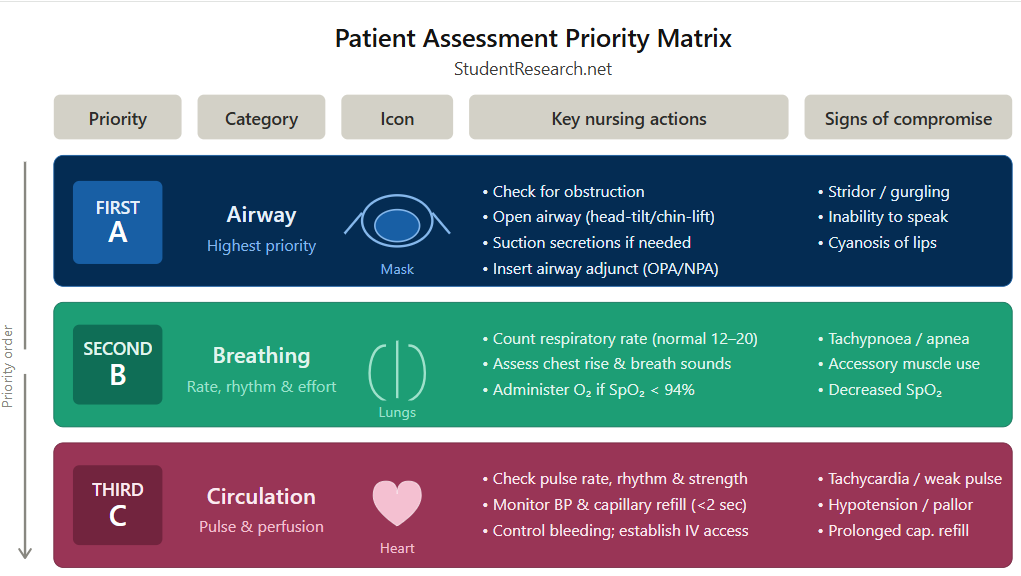
Focusing on Priority Nursing Actions
- Identify which patient requires immediate attention using the ABC (Airway, Breathing, Circulation) framework.
- Distinguish between stable and unstable patients in multi-patient scenarios to practice effective triage.
- Analyze the expected versus unexpected outcomes of nursing interventions to refine your prediction skills.
Need to save time without compromising your grades? StudentResearch.net delivers reliable, custom-written nursing papers designed for academic excellence. Stop stressing over tight deadlines and ensure your work meets the highest standards. Visit our platform to order your professional nursing assignment now!
Advancing Your Nursing Career Through Continuous Learning
Your education does not stop when you graduate; it merely changes focus from classroom to real-world experience. Maintaining a commitment to reviewing case studies for nursing students throughout your career keeps your skills sharp and your patient care standards high. This proactive approach ensures you remain an advocate for your patients and a leader in your clinical unit.
Long-Term Professional Development
- Seek out certification opportunities that require ongoing study and clinical reflection.
- Mentorship can be a powerful way to gain access to complex cases that you might not encounter in your day-to-day work.
- Keep a professional log of unique cases you encounter, noting what you learned and how you would handle them differently next time.
Conclusion: Mastering Clinical Excellence
In summary, consistently engaging with case studies for nursing students is the most effective way to bridge the gap between academic theory and the realities of bedside practice. By utilizing these 13 proven examples and refining your analytical skills through case studies you ensure you are prepared for the dynamic challenges of the modern healthcare landscape. Start applying these strategies today—supported by rigorous case studies for nursing students —to build the confidence and competence required to deliver exceptional, evidence-based patient care throughout your rewarding professional nursing career.
Master clinical care with our guide to case studies for nursing students; this manual offers 13 examples to hone your skills for nursing success.

