
Stepping out of the clinical lab and into a remote village in the Andes or a bustling community clinic in Nairobi can transform a healthcare education into a lifelong calling. For those seeking to bridge the gap between classroom theory and global health realities, medical mission trips for nursing students offer an unparalleled opportunity to develop cultural competence and clinical resilience. This ultimate guide explores how these journeys shape the next generation of nurses while providing critical care to underserved populations worldwide.
The Vital Role of Global Health in Nursing Education
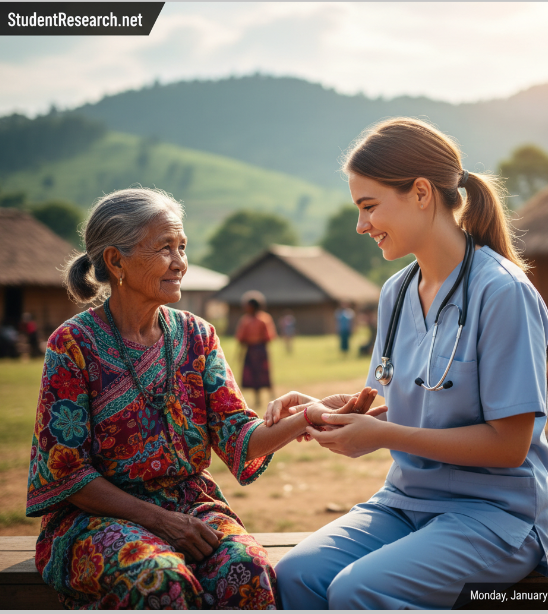
Engaging in international service is more than just a volunteer opportunity; it is a rigorous extension of a student’s clinical training. These medical mission trips allow participants to witness diverse healthcare systems and disease pathologies rarely seen in domestic rotations. By participating in these programs, students contribute to sustainable health outcomes while honing their ability to provide compassionate care in low-resource settings.
Benefits of International Clinical Exposure
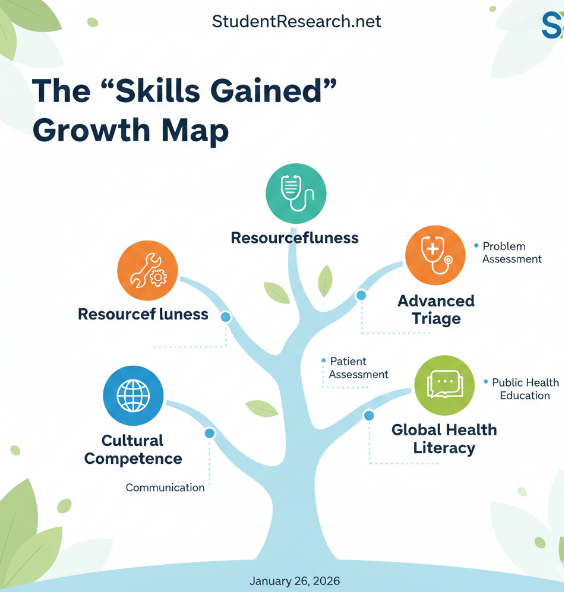
- Cultural Competence: Developing a deep understanding of how cultural beliefs influence health outcomes and patient compliance.
- Resourcefulness: Learning to provide high-quality care with limited diagnostic tools and supplies.
- Language Acquisition: Gaining medical terminology in Spanish, French, or local dialects to better serve diverse patient populations.
- Networking: Connecting with international healthcare professionals and fellow students from around the globe.
Integrating Student Research into Missions
- Data Collection: Using clinical experiences to gather data for student research projects on tropical diseases or maternal health.
- Evidence-Based Practice: Applying academic theories to real-world scenarios to see which interventions yield the best results in rural areas.
- Policy Analysis: Evaluating the effectiveness of local health policies as part of a formal student research paper or capstone project.
Stuck on your global health thesis? Stuck on your global health thesis? Let StudentResearch.net elevate your work. Our expert writers specialize in transforming clinical experiences into high-distinction papers. Whether it is epidemiology or healthcare policy, get the academic support you deserve today!
Preparing for the Journey: Logistics and Ethics
Before embarking on medical mission trips for nursing students, one must navigate a complex web of logistical preparations and ethical considerations. Proper preparation ensures that the student is an asset to the local team rather than a burden on the community’s resources. Ethical engagement requires a focus on sustainability, ensuring that the presence of short-term volunteers supports, rather than replaces, local healthcare infrastructure.
Pre-Departure Checklist for Nursing Students
- Immunizations: Ensuring all CDC-recommended vaccines for the destination country are up to date.
- Malpractice Insurance: Verifying that student clinical insurance covers international volunteer work.
- Skills Review: Brushing up on basic assessment skills, wound care, and triage protocols.
- Cultural Briefings: Studying the history, social norms, and taboos of the host community to ensure respectful interaction.
Comparing Program Models: Volunteer vs. Academic Credit
| Feature | Volunteer-Based Trips | Academic Credit (Study Abroad) |
| Cost | Often lower, mostly out-of-pocket. | Higher, but often eligible for financial aid. |
| Supervision | General oversight by NGO staff. | Strict supervision by university faculty. |
| Focus | Service and community labor. | Clinical hours and structured learning outcomes. |
| Duration | 1–2 weeks typically. | 3 weeks to a full semester. |
Budgeting and Fundraising Resources
Securing the necessary funds is often the first major hurdle for students planning their international clinical rotation. The following budget breakdown and sample letter provide a blueprint for managing costs and engaging your community for support.
Budgeting for your Mission to Peru
Financial transparency is key when planning medical mission trips. Below is a breakdown of estimated costs for a two-week program in Cusco, Peru. Use this to track your savings and fundraising milestones.
| Expense Category | Estimated Cost (USD) | Notes |
| Program Fee | $950 | Includes housing, meals, and in-country support. |
| Roundtrip Airfare | $800 – $1,200 | Price fluctuates based on booking season. |
| Travel Insurance | $150 | Must include medical evacuation coverage. |
| Vaccinations/Meds | $200 | Yellow Fever, Typhoid, and Altitude sickness meds. |
| Daily Stipend | $300 | For weekend travel and personal supplies. |
| Total Estimate | $2,400 – $2,800 | Plan for a 10% contingency buffer. |
Sample Fundraising Letter
Subject: Supporting My Medical Mission Trip to Peru
Dear [Name],
I am writing to share an exciting step in my journey toward becoming a Registered Nurse. This summer, I have been accepted to join a medical mission trip with IVHQ in Peru. This program is a vital part of my education, allowing me to provide primary care and health education to underserved communities in the Sacred Valley.
Participating in medical mission trips for nursing students requires significant financial investment for travel, medical supplies, and program fees. My goal is to raise $2,500 to cover these costs and bring essential resources to the local clinics. By supporting my mission, you aren’t just helping me grow as a professional; you are directly contributing to the healthcare of families who lack basic access to medicine.
Any contribution, whether $20 or $100, makes a tangible difference. Thank you for your consideration and for being part of this life-changing mission to improve global health.
With gratitude,
[Your Name]Top 12 Medical Mission Trips for Nursing Students
Selecting the right organization is the most critical step in ensuring a safe and impactful experience during medical mission trips. The following 12 programs have been vetted for their commitment to ethical care, student safety, and educational value. Each offers a unique perspective on global health, ranging from surgical missions to primary care clinics in the heart of the rainforest.
#1. International Volunteer HQ (IVHQ) – Peru
- Location: Cusco and the Sacred Valley.
- Focus: Health education and basic clinical support in rural clinics.
- Student Role: Assisting local nurses with vaccinations and patient intake.
#2. Maximo Nivel – Guatemala
- Location: Antigua and surrounding villages.
- Focus: Maternal and child health.
- Student Role: Participating in “Healthy Snacks” programs and basic health screenings.
#3. Projects Abroad – Philippines
- Location: Bogo City.
- Focus: Public health outreach and disaster recovery support.
- Student Role: Conducting community health checks and wound care for local residents.
#4. CFHI (Child Family Health International) – India
- Location: Pune and Mumbai.
- Focus: Tropical medicine and urban healthcare systems.
- Student Role: Observing complex cases in public hospitals and contributing to student research on urban sanitation.
#5. Love Volunteers – Kenya
- Location: Nairobi and rural Maasai communities.
- Focus: HIV/AIDS awareness and primary care.
- Student Role: Distributing medications and educating youth on preventative health.
#6. Volunteering Solutions – Thailand
- Location: Surin and Bangkok.
- Focus: Traditional medicine vs. Western clinical practices.
- Student Role: Assisting in hospital departments including Pediatrics and ER.
#7. Gap Medics – Tanzania
- Location: Iringa.
- Focus: High-intensity clinical shadowing.
- Student Role: Observing surgeries and internal medicine rounds in a regional hospital.
#8. MEDLIFE – Ecuador
- Location: Riobamba and Tena.
- Focus: Mobile clinics and developmental projects (clean water/sanitation).
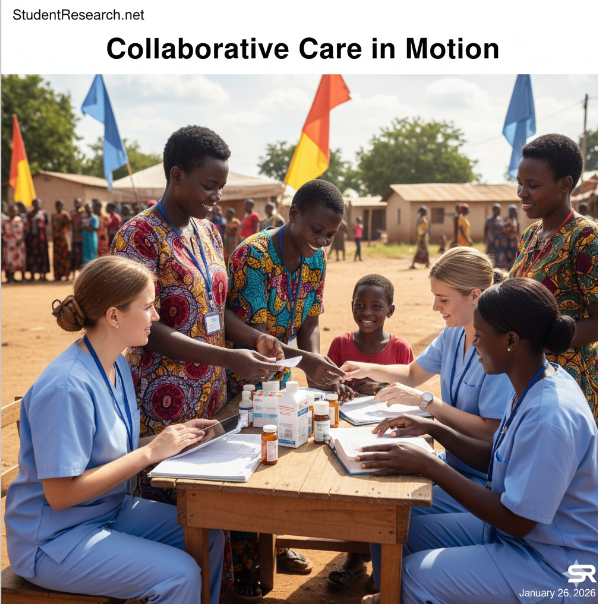
- Student Role: Rotating through triage, pharmacy, and dental stations.
#9. Foundation for International Medical Relief of Children (FIMRC) – Costa Rica
- Location: Alajuelita.
- Focus: Pediatric health and psychological support.
- Student Role: Working with underprivileged children and providing health education to families.
#10. Agape Volunteers – Ghana
- Location: Kumasi.
- Focus: Hospital-based nursing support.
- Student Role: Assisting with daily nursing duties in busy city wards.
#11. Global Medical Brigades – Panama
- Location: Remote indigenous communities.
- Focus: Holistic health and sustainable infrastructure.
- Student Role: Helping staff mobile pharmacies and recording patient histories.
#12. VIDA Volunteer – Honduras
- Location: Tegucigalpa.
- Focus: General medicine and veterinary cross-over missions.
- Student Role: Gaining hands-on experience in basic diagnostics and suturing under supervision.
Impact Analysis: Statistics and Outcomes
Understanding the broader impact of medical mission trips helps students appreciate the scale of global health disparities. These missions often fill critical gaps in areas where the ratio of healthcare providers to the population is dangerously low. The following data highlights why medical mission trips for nursing students remain a cornerstone of international development and education.
Global Health Service Statistics
| Region | Healthcare Workers per 10k People | Average Patient Wait Time (Rural) | Impact of Student-Supported Clinics |
| North America | 150+ | 1–2 Hours | Supplemental support for specialized care. |
| Sub-Saharan Africa | <5 | 8–12 Hours | Critical bridge for primary care access. |
| Southeast Asia | 15–25 | 4–6 Hours | Significant increase in health literacy. |
| Latin America | 30–40 | 3–5 Hours | Expanded reach for mobile dental/eye care. |
Overcoming Challenges and Maximizing Your Experience
While medical mission trips are rewarding, they come with significant emotional and physical challenges that students must be prepared to face. From navigating “culture shock” to dealing with “compassion fatigue,” the mental health of the student is as important as the physical health of the patient. Learning to reflect on these experiences through journaling or peer discussion is vital for long-term professional growth.
Application and Personal Readiness
Crafting a compelling narrative for your application and preparing your physical gear are the final steps in bridging the gap between desire and departure. These resources help you articulate your vision and ensure you have every tool needed for clinical success.
Sample Personal Statement
Prompt: Why do you wish to participate in this medical mission?
As a nursing student, I believe that healthcare is a universal human right, yet my clinical rotations have largely been limited to high-resource environments. My desire to join medical mission trips stems from a commitment to serving vulnerable populations and developing the “clinical grit” necessary to provide care in any setting.
I am particularly drawn to this program because of its focus on maternal health. In my recent student research, I explored the impact of rural health barriers on infant mortality, and I am eager to apply that knowledge on the ground. During medical mission trips, I hope to refine my assessment skills while learning from local practitioners who achieve incredible outcomes with limited tools.
I am prepared for the physical and emotional challenges of international service. I view these medical mission trips for nursing students not as a one-time volunteer event, but as the foundation of my future career in global health advocacy. I am ready to listen, learn, and work tirelessly to support your team’s mission.
Essential Packing List for Peru
Packing for medical mission trips for nursing students requires a balance between clinical necessity and personal comfort in high-altitude environments.
- Clinical Gear: 3-4 sets of lightweight scrubs, a high-quality stethoscope, and comfortable, waterproof nursing shoes.
- Health & Hygiene: High-SPF sunscreen (the Andean sun is intense), altitude sickness tablets, and a reusable filtered water bottle.
- Diagnostic Tools: A portable pulse oximeter and a penlight for neurological assessments during triage.
- Cultural Staples: Small gifts for local staff or stickers for pediatric patients to build rapport.
- Clothing Layers: A heavy fleece or down jacket, as temperatures in Cusco drop significantly at night.
Strategic Tips for Success
- Stay Flexible: Clinical schedules in developing nations are often unpredictable; embrace the chaos.
- Focus on Ethics: Always ask permission before taking photos or performing procedures.
- Document Everything: Keep a detailed log of cases to use for future resumes or academic papers.
- Self-Care: Ensure you are hydrated and rested so you can provide the best care to your patients.
Balancing clinicals and essays? Balancing clinicals and essays? StudentResearch.net provides the ultimate academic lifeline for busy nursing students. We handle the heavy lifting of literature reviews and formatting, giving you more time to focus on hands-on patient care and mission preparation.
Conclusion and Future Outlook
Choosing to participate in medical mission trips for nursing students is a definitive step toward becoming a globally-minded healthcare professional. These journeys provide the “clinical grit” and empathy that cannot be taught in a traditional classroom, leaving a lasting mark on both the student and the community served. As you plan your path, remember that the most successful medical mission trips are those built on mutual respect and a desire for sustainable improvement.
Summary: Discover medical mission trips for nursing students. Our guide reviews 12 life-changing programs, offering global clinical experience and growth.

